2026/01/20
Why Is Islamic Calligraphy Gaining Global Popularity in Modern Design?
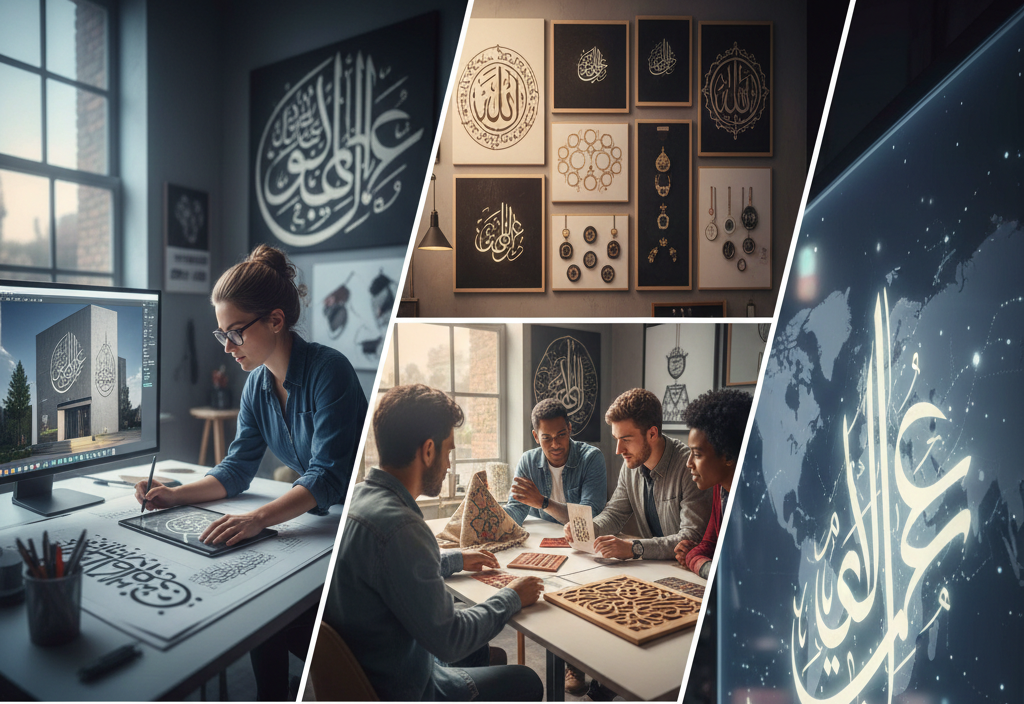
Islamic calligraphy, an ancient art form with roots in the Quranic tradition, has seen a remarkable resurgence in contemporary design. From interior spaces to digital media, this centuries-old practice is inspiring designers and audiences worldwide. But why is it capturing global attention now, and what makes it so relevant in modern design trends? In this article, we will explore the factors driving this phenomenon, the ways it is being integrated into modern aesthetics, and why it resonates across cultures.
The Historical Significance of Islamic Calligraphy
To understand its modern appeal, it is essential to recognize the historical foundation of Islamic calligraphy. Originating in the seventh century, Islamic calligraphy was more than just decorative writing. It was a way to preserve the Quran, convey spiritual messages, and express artistic identity. Unlike other art forms, it was highly respected for its spiritual significance, geometric precision, and rhythmic flow. Traditional scripts, such as Kufic, Naskh, and Thuluth, have distinct characteristics that make each style unique. Over time, calligraphers developed personal touches and interpretations while adhering to classical forms. This balance of structure and creativity laid the groundwork for the adaptability of Islamic calligraphy in modern design.The Fusion of Tradition and Modernity
Modern designers are increasingly drawn to Islamic calligraphy because of its ability to merge historical tradition with contemporary aesthetics. The flowing lines, geometric shapes, and elegant curves of Arabic script provide a versatile design element. In graphic design, logos, and typography, calligraphy adds a layer of sophistication and cultural depth. This fusion can be seen in:- Branding: Companies are using calligraphy to convey authenticity and heritage, appealing to audiences seeking cultural richness in visual identity.
- Interior Design: Wall art, murals, and decor featuring calligraphy bring both beauty and spiritual ambiance to spaces.
- Digital Media: Web design, social media graphics, and digital advertisements now often include calligraphy as a way to stand out visually.
Globalization and Cross-Cultural Appreciation
Another reason for the growing popularity of Islamic calligraphy is globalization. With the world more interconnected than ever, cultural appreciation and artistic exchange have become common. People from different backgrounds are drawn to Islamic calligraphy not only for its spiritual roots but also for its visual beauty. In international art fairs, exhibitions, and online marketplaces, contemporary Islamic calligraphy is celebrated as fine art. Social media platforms have amplified this reach, allowing artists to share their work with a global audience instantly. This exposure has created a demand for calligraphic design in fashion, home decor, and digital art, further cementing its place in modern aesthetics.The Role of Technology in Reviving Calligraphy
Technology has played a significant role in making Islamic calligraphy accessible and adaptable. Digital tools allow artists to experiment with new forms, blending traditional script with modern graphics, animations, and 3D effects. Platforms like Adobe Illustrator and Procreate enable precise manipulation of strokes and curves, while AI tools assist in creating complex compositions inspired by classical styles. Moreover, online marketplaces and print-on-demand services have opened up avenues for calligraphy enthusiasts to purchase and showcase art globally. This accessibility ensures that Islamic calligraphy is no longer limited to manuscripts or religious spaces but is part of everyday life in modern design contexts.Emotional and Spiritual Resonance
Islamic calligraphy carries emotional and spiritual significance, which enhances its appeal in modern design. Beyond its aesthetic value, the script often conveys meaningful words, quotes, or Quranic verses. This imbues the artwork with a sense of purpose, intention, and mindfulness that resonates with diverse audiences. In a fast-paced world, spaces and products that incorporate calligraphy can evoke calm, reflection, and connection. Designers recognize this power and use it to create experiences that are both visually stunning and emotionally engaging.Popular Trends in Modern Islamic Calligraphy
Several trends are driving the modern calligraphy movement globally:- Minimalist Calligraphy: Simplifying traditional forms into sleek, clean designs suitable for contemporary branding.
- Abstract Compositions: Artists use calligraphic strokes as abstract elements, emphasizing form over readability.
- Interactive Digital Art: Animated calligraphy in websites, apps, and social media posts creates engaging visual experiences.
- Calligraphy in Fashion: Designers incorporate calligraphic motifs into clothing, accessories, and lifestyle products.
- Mixed Media Installations: Combining traditional materials with modern textures and media to create immersive art pieces.