Blog
25 February، 2026
What Is Arabic Calligraphy and Why Is It So Unique?
In a world dominated by digital fonts, AI image generators, and fast visual content, why is Arabic calligraphy still capturing hearts across cultures? Why are designers, collectors, and art lovers rediscovering it as both a spiritual practice and a modern design trend?
Arabic calligraphy is not just beautiful writing. It is a living art form that blends language, rhythm, geometry, spirituality, and personal expression into a single visual experience. And today, as people search for deeper meaning in art, it feels more relevant than ever.
On ndukhan.com, artist Nihad Dukhan explores this timeless art through contemporary compositions that speak to both tradition and innovation. But before we explore its modern appeal, let us understand what Arabic calligraphy truly is and why it stands apart.
Read More
What Is Arabic Calligraphy?
Arabic calligraphy is the artistic practice of writing Arabic script in a stylized and aesthetically refined way. It transforms language into visual art. Unlike standard handwriting, calligraphy follows strict rules of proportion, balance, and structure. Every letter has a measured relationship to the others. Spacing, thickness, curves, and angles are carefully calculated to create harmony. But Arabic calligraphy is not just technical precision. It is emotional. It is spiritual. It is expressive. Historically, it developed as a way to beautifully preserve and transmit the Arabic language, especially in religious texts. Over time, it evolved into architectural decoration, manuscript illumination, ceramics, textiles, and modern canvas art.Why Is Arabic Calligraphy So Unique Compared to Other Writing Systems?
There are many calligraphic traditions around the world. Chinese, Japanese, and Latin scripts all have rich histories. Yet Arabic calligraphy holds a distinctive identity for several reasons.1. The Script Itself Is Naturally Fluid
Arabic letters connect to one another, forming flowing word structures. This allows for endless artistic variations. Letters stretch, curve, overlap, intertwine, and rise vertically in elegant forms. The script can feel architectural and structured, or soft and organic. It can be symmetrical and geometric, or spontaneous and expressive. That natural fluidity makes Arabic calligraphy incredibly versatile.2. Geometry Plays a Central Role
Arabic calligraphy often follows mathematical proportions. Classical calligraphers used the dot, formed by the nib of the pen, as a measurement unit. Every letter was built using consistent proportional systems. This precision gives the artwork a strong internal harmony. Even when the composition looks free flowing, it is grounded in geometric balance.3. It Blends Art and Spiritual Meaning
In many cases, Arabic calligraphy carries spiritual or philosophical texts. The meaning of the words enhances the visual impact. Viewers do not just see beauty. They feel depth. This combination of message and form creates a layered experience. The artwork speaks visually and intellectually at the same time.4. It Adapts Beautifully to Modern Design
From contemporary interiors to digital art installations, Arabic calligraphy adapts seamlessly. It appears in abstract paintings, corporate branding, fashion design, and architectural spaces. Artists like Nihad Dukhan reinterpret traditional forms into modern compositions, making the art accessible to global audiences without losing authenticity.A Brief Look at Major Styles of Arabic Calligraphy
Arabic calligraphy includes many classical styles, each with its own personality and historical roots.Kufic
Kufic is one of the earliest forms of Arabic calligraphy. It is angular, structured, and geometric. You often see it in architectural decoration and early manuscripts. Its bold lines make it ideal for monumental inscriptions and contemporary geometric reinterpretations.Thuluth
Thuluth is known for its elegance and sweeping curves. It is often used in mosque decorations and formal artistic compositions. This style demands mastery, as its complex structure requires precise control.Naskh
Naskh is clearer and more readable, making it widely used in books and printed texts. Its balanced proportions make it both functional and beautiful. Each style reflects a different mood. Some are bold and architectural. Others are delicate and refined. Together, they show the richness of this tradition.Why Is Arabic Calligraphy Trending Again in the Digital Era?
It might seem surprising that a traditional art form is gaining attention in a digital world. Yet the reasons are clear.1. People Crave Authenticity
Fast content can feel disposable. Arabic calligraphy represents patience, discipline, and craftsmanship. Viewers are drawn to art that feels intentional.2. Visual Culture Is Global
Social platforms and online galleries have introduced Arabic calligraphy to new audiences worldwide. Designers and collectors are discovering its visual power.3. Fusion with Contemporary Art
Modern artists combine calligraphy with abstract painting, textured canvases, and experimental compositions. The result is art that feels timeless and current at the same time. On ndukhan.com, Nihad Dukhan presents works that merge classical calligraphic foundations with contemporary visual language. This fusion resonates with collectors who appreciate both heritage and innovation.4. It Elevates Interior Spaces
Arabic calligraphy has become a statement element in modern interiors. Large scale canvases featuring elegant script bring depth, sophistication, and cultural richness to homes and offices.The Emotional Impact of Arabic Calligraphy
Arabic calligraphy is not just decoration. It communicates emotion through movement and rhythm. Thick strokes suggest strength. Extended horizontal lines feel calm and stable. Rising vertical forms create aspiration. Circular compositions evoke unity. Even if viewers cannot read Arabic, they often feel the artwork’s mood. The script becomes universal in its expression. That emotional accessibility is part of what makes it so unique.The Process Behind the Art
Traditional Arabic calligraphy begins with mastering tools and discipline. Calligraphers often use a reed pen known as a qalam. The angle of the nib determines line thickness. Ink flow must be controlled carefully. Every stroke requires intention. Before creating a final composition, artists practice individual letters repeatedly to achieve balance. Only after mastering structure can they explore creative arrangements. Contemporary artists may use canvas, acrylic, mixed media, or digital techniques. Yet the foundation remains rooted in classical principles. This balance between tradition and innovation keeps the art form alive.Arabic Calligraphy as Cultural Identity
For many, Arabic calligraphy represents cultural heritage and identity. It connects generations across time. At the same time, it is not limited to one region. Today, collectors from around the world appreciate it as fine art. It bridges cultures. It invites dialogue. It challenges viewers to engage with language visually.Why Artists Like Nihad Dukhan Stand Out
While many artists practice Arabic calligraphy, each develops a unique visual voice. Nihad Dukhan’s work is known for its refined balance between classical precision and contemporary abstraction. His compositions often explore movement, rhythm, and layered depth. By maintaining respect for traditional proportional systems while experimenting with layout and texture, his artwork demonstrates how Arabic calligraphy continues to evolve. For collectors visiting ndukhan.com, the experience is not just about purchasing art. It is about engaging with a living tradition reinterpreted for modern spaces.Frequently Asked Questions About Arabic Calligraphy
Is Arabic calligraphy only religious?
No. While it has strong historical ties to religious texts, Arabic calligraphy also includes poetry, philosophical quotes, personal expressions, and purely aesthetic compositions.Do you need to understand Arabic to appreciate it?
Not at all. Many viewers are drawn to the visual harmony and movement of the script. Understanding the language adds another layer, but it is not required to feel its beauty.Is Arabic calligraphy difficult to learn?
Yes, it requires discipline and patience. Mastering letter proportions and pen control can take years. However, beginners can start with basic strokes and gradually build skill.How is modern Arabic calligraphy different from classical forms?
Modern artists often experiment with scale, color, texture, and abstraction. While classical forms follow strict rules, contemporary interpretations may bend or reinterpret them while still respecting foundational principles.Why is Arabic calligraphy considered fine art today?
Because it transcends functional writing. It combines technical mastery, aesthetic composition, cultural meaning, and emotional impact. Collectors recognize its depth and artistic value.Final Thoughts
So what is Arabic calligraphy, and why is it so unique in today’s digital art trend? It is a fusion of language and geometry. It is structure and emotion woven together. It is heritage carried forward through modern creativity. In a time when visuals are everywhere, Arabic calligraphy stands out because it invites you to slow down. To look closely. To feel the rhythm of lines and curves. Through artists like Nihad Dukhan, this timeless tradition continues to evolve, proving that true art does not fade with technology. It transforms, adapts, and speaks across generations. And perhaps that is what makes Arabic calligraphy truly unique.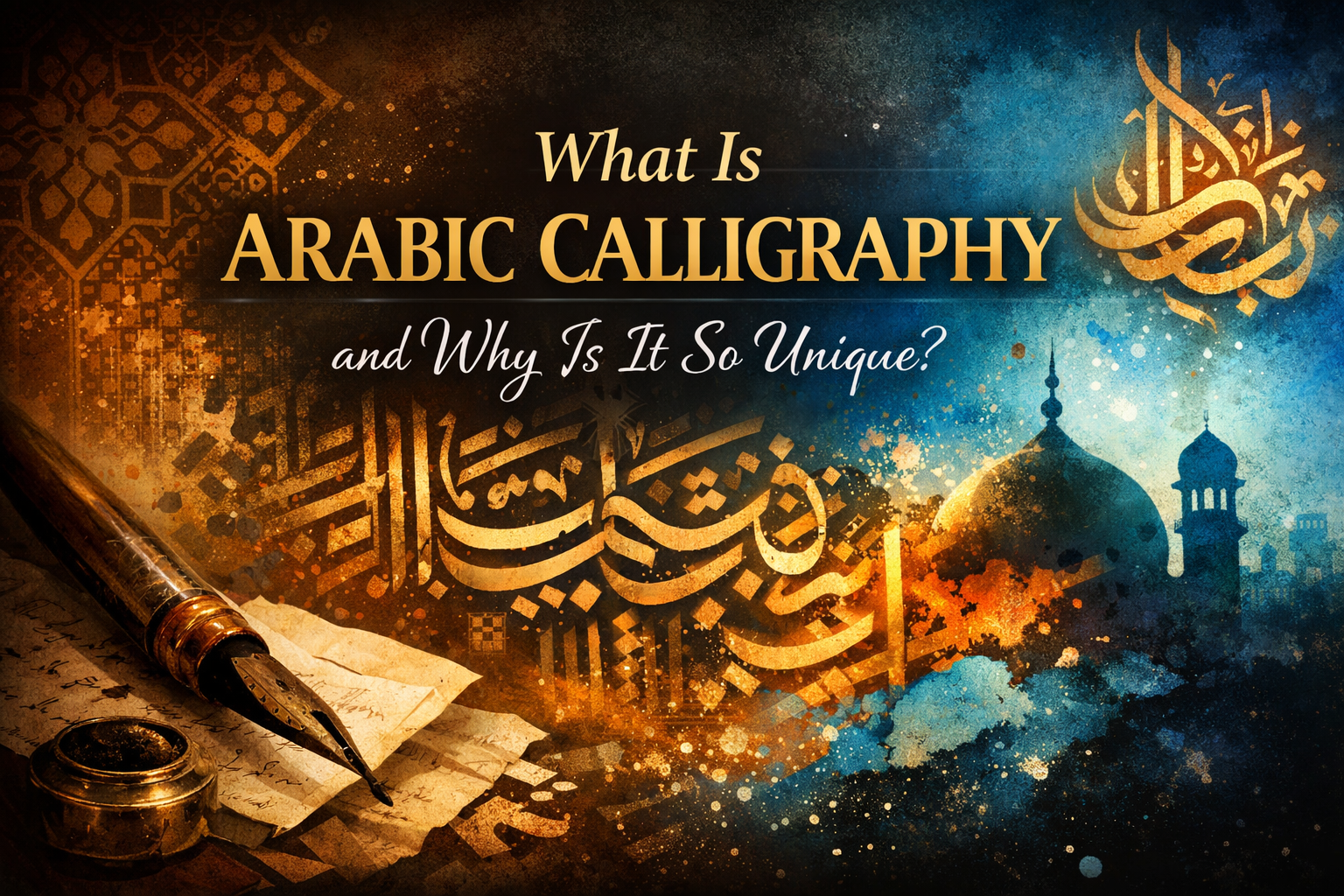
25 February، 2026
Can Modern Islamic Calligraphy Be Minimalist?
Minimalism has quietly taken over the visual world. From architecture to branding, from interior design to digital art, the preference for simplicity, clarity, and intentional space is everywhere. But where does that leave Islamic calligraphy, an art form historically known for intricate detail, layered symbolism, and ornamental beauty?
Can modern Islamic calligraphy truly be minimalist while preserving its spiritual depth and cultural heritage?
The answer is not only yes, but it is already happening.
Artists like Nihad Dukhan are exploring this powerful intersection where sacred tradition meets contemporary design thinking. The result is not a dilution of the art form, but a refined evolution.
Let’s explore how.
Read More
Understanding the Essence of Islamic Calligraphy
Islamic calligraphy is far more than decorative writing. It is a visual expression of faith, philosophy, and sacred language. Traditionally, it has been used to transcribe verses from the Quran, prophetic sayings, and poetic reflections on spirituality. For centuries, calligraphers mastered complex scripts such as Thuluth, Naskh, Diwani, and Kufic. Each script carried its own structure, rhythm, and aesthetic rules. The art demanded discipline, patience, and precision. Historically, Islamic calligraphy often appeared with elaborate geometric patterns, arabesque designs, and architectural ornamentation. Mosques, manuscripts, ceramics, and textiles were adorned with intricate compositions. So where does minimalism fit into something so richly layered?What Minimalism Really Means Today
Minimalism is often misunderstood as simply removing decoration. In reality, it is about intentional reduction. It asks a simple question: what is essential? In contemporary art and design, minimalism emphasizes:- Clean lines
- Limited color palettes
- Focus on form
- Generous negative space
- Emotional clarity
The Surprising Harmony Between Minimalism and Islamic Art
At first glance, minimalism and Islamic calligraphy might seem like opposites. One is stripped down. The other is traditionally ornate. But if we look deeper, we find shared principles. Islamic calligraphy has always valued balance, proportion, rhythm, and intentional spacing. The structure of classical scripts is built on mathematical precision. Every curve and line follows strict proportional systems. Minimalism also respects structure and harmony. The connection becomes clear: both aim for clarity through discipline. Artists such as Nihad Dukhan demonstrate how reducing visual noise can highlight the spiritual essence of the words themselves. When ornamental complexity is minimized, the viewer engages more directly with the message.How Modern Islamic Calligraphy Embraces Minimalism
Modern Islamic calligraphy does not abandon tradition. Instead, it reinterprets it. Here are several ways this shift is happening.1. Simplified Compositions
Instead of dense layering, contemporary pieces often feature a single word or short phrase centered within open space. The emptiness surrounding the script becomes part of the design. The eye rests. The mind reflects. The simplicity invites contemplation.2. Monochrome Palettes
Many minimalist calligraphic works rely on black ink against white backgrounds or subtle neutral tones. Removing excessive color directs attention to form and meaning. Sometimes gold or a single accent color is used strategically rather than abundantly.3. Modern Materials
Canvas, acrylic panels, metal, and digital formats are increasingly used. The medium itself contributes to the minimalist feel. Smooth surfaces and clean finishes align beautifully with contemporary interiors.4. Geometric Restraint
While traditional Islamic art often integrates complex geometric patterns, minimalist interpretations may use a single subtle geometric frame or none at all. The script becomes the sole focal point.The Spiritual Power of Less
One of the most compelling reasons minimalist Islamic calligraphy works so well is spiritual resonance. Islam emphasizes reflection, humility, and intentionality. Minimalist design mirrors these values. When a single word like "Sabr" or "Tawakkul" stands alone on a clean background, it carries emotional weight. The absence of distraction intensifies the presence of meaning. The viewer is not overwhelmed. They are invited inward. This approach transforms calligraphy from decorative art into meditative art.The Role of Contemporary Artists
Artists such as Nihad Dukhan represent a bridge between heritage and modernity. By respecting classical principles while embracing contemporary aesthetics, they create work that feels timeless rather than trendy. This balance is crucial. If minimalism is applied without understanding traditional rules, the result can feel hollow. But when an artist deeply understands script structure and proportion, simplification becomes refinement rather than reduction. True mastery allows for intentional restraint.Minimalist Calligraphy in Modern Interiors
Interior design trends strongly favor clean spaces. Neutral walls, natural light, and uncluttered layouts dominate contemporary homes and offices. Minimalist Islamic calligraphy fits seamlessly into this environment. A single framed piece above a console table can become a quiet focal point. In professional spaces, it adds cultural identity without overwhelming the room. Because of its simplicity, minimalist calligraphy adapts easily to modern architecture. It does not compete with the space. It complements it.Digital Age Influence
Social media platforms and digital portfolios have also influenced this shift. In a world of scrolling and short attention spans, clarity stands out. Bold, clean calligraphy photographs better and translates effectively across screens. Minimalist compositions are visually impactful even in small digital formats. This makes them more shareable and accessible to global audiences. The digital era has accelerated the popularity of refined, simplified calligraphic expressions.Addressing the Critics
Not everyone welcomes this evolution. Some argue that reducing ornamentation removes the historical richness of Islamic calligraphy. Others worry that modern interpretations may compromise authenticity. These concerns are understandable. However, artistic traditions have always evolved. Even classical scripts developed over time. What we now call traditional was once innovative. Minimalism does not erase tradition. It offers another lens through which to view it. As long as artists respect the structural foundations of script and maintain spiritual sincerity, evolution strengthens rather than weakens the art form.Is Minimalist Islamic Calligraphy Just a Trend?
Design trends come and go. But certain movements endure because they reflect deeper human needs. Minimalism resonates because modern life is saturated with information and visual noise. People crave calm, clarity, and focus. Islamic calligraphy, when presented in a minimalist format, answers that craving. Rather than being a passing fashion, it represents a thoughtful adaptation to contemporary sensibilities. Its staying power depends not on trend cycles but on artistic integrity.How Collectors and Art Lovers Respond
Collectors are increasingly drawn to works that feel both culturally meaningful and aesthetically modern. Minimalist Islamic calligraphy appeals to younger generations who appreciate clean design while remaining connected to heritage. It also attracts non Muslim audiences who admire the abstract beauty of Arabic script without necessarily understanding the language. This broader accessibility expands appreciation for the art form globally.The Balance Between Simplicity and Depth
The key question remains: how minimal is too minimal? If simplification removes the structural harmony of the script, it loses authenticity. If it removes meaning, it becomes mere typography. True minimalist Islamic calligraphy maintains:- Script integrity
- Proportional accuracy
- Spiritual intention
- Thoughtful composition
Why This Matters Today
We live in an era of cultural intersection. Globalization connects traditions and aesthetics across borders. Modern Islamic calligraphy that embraces minimalism speaks both languages. It honors history while participating in contemporary visual culture. It tells the world that tradition is not frozen in time. It evolves, breathes, and adapts. Artists like Nihad Dukhan demonstrate that innovation rooted in knowledge can create art that feels both modern and eternal.Frequently Asked Questions
Can Islamic calligraphy be minimalist without losing authenticity?
Yes, when the artist respects traditional script rules and proportions. Minimalism becomes a stylistic choice rather than a rejection of heritage.Is minimalist Islamic calligraphy less complex?
Visually it may appear simpler, but conceptual and structural complexity remains. In many cases, refinement requires greater skill.Why is minimalist calligraphy popular in modern homes?
Clean compositions integrate well with contemporary interiors. They provide spiritual and cultural meaning without overwhelming the space.Does minimalism conflict with Islamic artistic tradition?
Not necessarily. Islamic art historically values balance, geometry, and intentional design. These principles align naturally with minimalist philosophy.How do artists decide what to remove?
Experienced calligraphers simplify only non essential decorative elements while preserving script structure and meaning.Is minimalist Islamic calligraphy suitable for corporate spaces?
Yes. Its clean aesthetic and meaningful content make it appropriate for offices, galleries, and professional environments.Final Reflection
So, can modern Islamic calligraphy be minimalist in today’s design trend? Absolutely. Minimalism does not diminish Islamic calligraphy. When approached with knowledge and reverence, it sharpens its impact. By reducing visual excess, artists allow the spiritual and linguistic beauty of the script to shine more clearly. The result is art that feels grounded in tradition yet completely at home in contemporary spaces. Through thoughtful creators like Nihad Dukhan, we see that the future of Islamic calligraphy is not confined to repetition of the past. It is an ongoing conversation between heritage and innovation. And sometimes, saying less truly says more.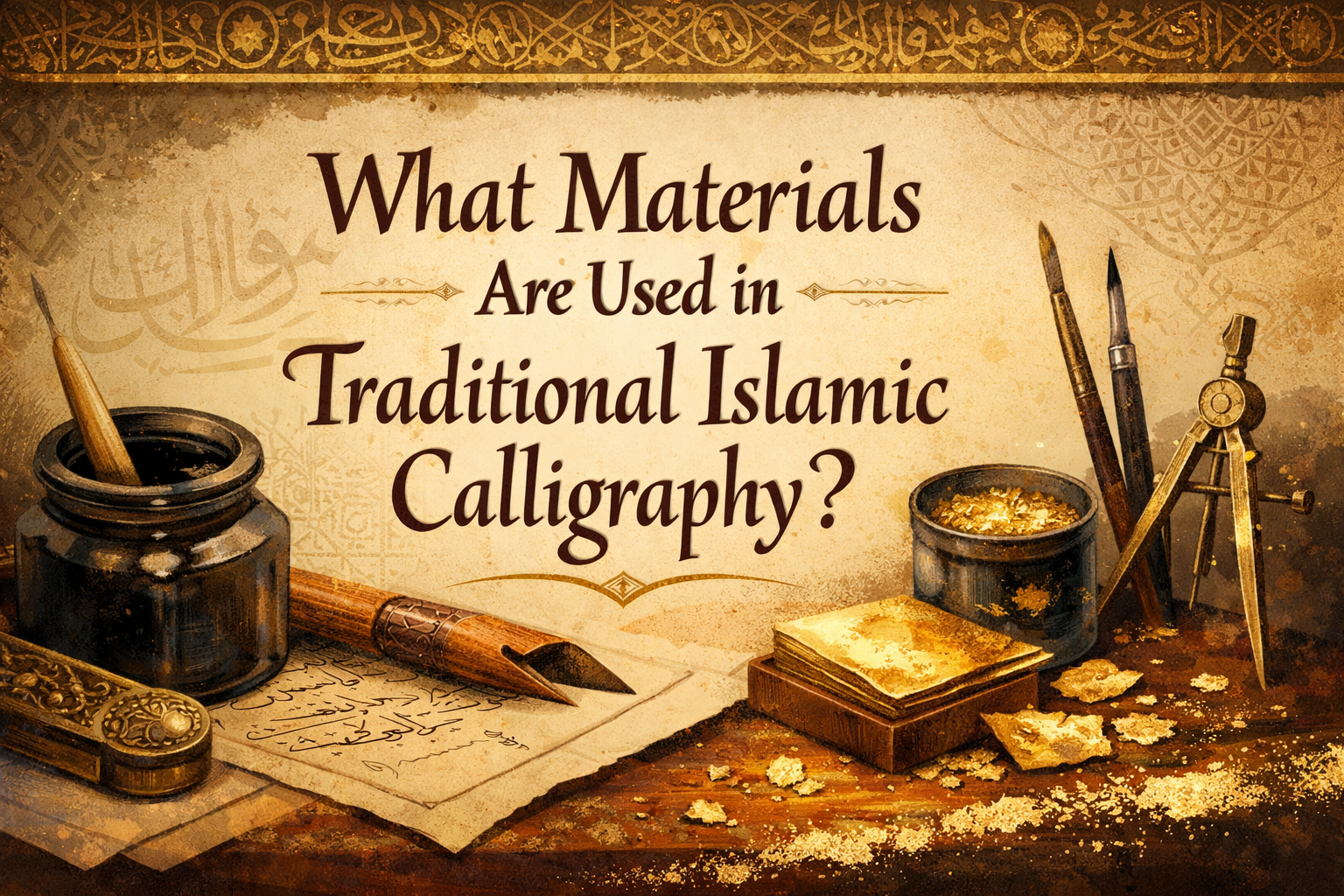
25 February، 2026
What Materials Are Used in Traditional Islamic Calligraphy?
Islamic calligraphy has always been more than beautiful writing. It is devotion shaped into form, discipline turned into rhythm, and ink transformed into meaning. In today’s world of digital art, AI generated typography, and minimalist design trends, many people are rediscovering the quiet depth of traditional craftsmanship. That curiosity leads to an important question: what materials are actually used in traditional Islamic calligraphy?
At first glance, it may seem simple. A pen, some ink, and paper. But the reality is far richer. Each tool carries history, technique, and spiritual symbolism. The materials are chosen carefully, prepared with patience, and respected as part of the artistic process.
For collectors, students, and admirers of the work of Nihad Dukhan, understanding these materials deepens appreciation. The beauty you see is not accidental. It is the result of carefully selected tools that have been refined over centuries.
Let us explore them in detail.
Read More
Why Materials Matter in Islamic Calligraphy
Islamic calligraphy developed as a sacred art form, primarily to preserve and beautify the words of the Quran. Because of this spiritual significance, calligraphers treated their materials with great respect. The tools are not random. They influence line weight, ink flow, texture, durability, and overall harmony. A change in paper or pen can alter the character of the script entirely. Even today, while modern artists may experiment with acrylic, canvas, or digital platforms, traditional materials remain the foundation of authenticity.The Qalam: The Traditional Reed Pen
The heart of Islamic calligraphy is the qalam, a pen traditionally made from reed. The qalam is not manufactured in a factory. It is carefully selected from specific types of reed, dried, cut, shaped, and sharpened by hand. The most prized reeds often come from regions in the Middle East where the plant grows strong and straight. The tip is cut at a precise angle depending on the script being written. A broad cut produces thick strokes. A narrower cut creates delicate lines. The angle determines how letters flow and how curves are formed. Sharpening the qalam is an art in itself. Calligraphers use a special knife to shape the nib with precision. Many artists prefer to cut their own pens rather than rely on pre-made tools. This ensures that the pen matches their hand and style perfectly. The qalam produces dynamic lines with natural variation. Unlike metal nib pens, it responds to pressure and movement in a uniquely organic way. That living quality is one reason traditional calligraphy feels so expressive.Ink: The Soul of the Script
Ink is more than a medium. It is the voice of the pen. Traditional Islamic calligraphy uses handmade black ink made from soot. This soot is often collected from burning oil or resin. It is then mixed with natural binders such as gum arabic and water to create a smooth, rich liquid. High quality ink has several important characteristics:- Deep, intense black color
- Smooth flow without blotting
- Long lasting permanence
- Resistance to fading
Paper: A Surface Prepared with Care
Paper plays a critical role in traditional Islamic calligraphy. Ordinary paper is rarely sufficient. Historically, calligraphers used handmade paper that was specially treated. The surface was polished and coated with a mixture that could include starch, egg white, or other natural substances. This process, known as sizing and burnishing, created a smooth writing surface. The benefits of treated paper include:- Controlled ink absorption
- Crisp, clean edges
- Enhanced durability
- Smooth pen movement
Gold Leaf and Illumination Materials
Islamic calligraphy is often accompanied by illumination, known as tazhib. This decorative art frames or enhances the script with intricate patterns, geometric motifs, and floral designs. Gold leaf is one of the most prestigious materials used in illumination. It is applied with delicate brushes and special adhesives. The process requires patience and precision. Other materials used in illumination include:- Mineral pigments
- Natural dyes
- Fine brushes made from animal hair
- Burnishing tools to polish gold surfaces
Rulers, Compasses, and Measuring Tools
Precision is essential in Islamic calligraphy. Letters follow strict proportional systems. Each script style has mathematical harmony. To achieve this, calligraphers use:- Rulers to draw guidelines
- Compasses for circular compositions
- Measuring techniques based on dot units
Surfaces Beyond Paper
While paper is traditional, Islamic calligraphy has historically appeared on many surfaces. These include:- Parchment
- Wood panels
- Ceramic tiles
- Metal surfaces
- Architectural walls
Natural Pigments and Color Usage
Although black ink dominates classical manuscripts, color has always had a role. Red ink was often used to mark vowel signs or important words. Blue, green, and other tones appeared in headings and decorative sections. Natural pigments came from minerals and plants. These were ground into fine powders and mixed with binders. The color palette was typically refined rather than loud. Harmony and dignity were prioritized over bold contrast. Modern trends sometimes introduce vibrant acrylics or metallic finishes, but traditional color choices remain timeless.The Knife and Pen Case
Two often overlooked but essential tools are the knife and the pen case. The knife is used to cut and maintain the qalam. A precise blade is critical for achieving clean nib edges. The pen case, known historically as a divit, stores pens, ink, and small tools. It was often beautifully crafted and sometimes decorated with metal or wood carvings. These objects reflect how calligraphy was both a craft and a respected profession.Preparation as Part of the Art
One fascinating aspect of traditional Islamic calligraphy is how much preparation is involved. The artist does not simply sit down and write. They:- Cut and shape the pen
- Prepare the ink
- Treat and polish the paper
- Draw guidelines
- Plan composition carefully
Traditional Scripts and Their Material Needs
Different scripts may influence material choices. For example:- Thuluth requires a broader pen tip and larger scale
- Naskh often uses finer nibs for detailed writing
- Diwani emphasizes fluidity and decorative curves
Modern Trends and Traditional Integrity
With the rise of digital calligraphy tablets and design software, some may wonder whether traditional materials still matter. They do. Digital tools can replicate the look of ink, but they cannot replace the tactile dialogue between hand, pen, and paper. The resistance of the surface, the sound of the nib, the subtle shift in ink flow all contribute to authenticity. Interestingly, current art trends show renewed interest in handmade processes. Collectors value texture, originality, and physical presence. Traditional Islamic calligraphy materials align perfectly with this movement. They represent craftsmanship, patience, and intentionality.Sustainability and Natural Resources
Many traditional materials are surprisingly sustainable. Reed pens are natural and biodegradable. Soot based ink uses simple organic elements. Handmade paper often relies on plant fibers. While some modern pigments contain synthetic compounds, traditional recipes were rooted in natural resources. This aligns well with contemporary conversations about sustainability and eco conscious art practices.FAQ Section
What is the most important tool in Islamic calligraphy?
The qalam is considered the most important tool. Without a properly cut reed pen, the unique thick and thin strokes characteristic of Islamic scripts cannot be achieved.Is traditional ink different from regular ink?
Yes. Traditional calligraphy ink is often made from soot and natural binders. It is designed for smooth flow and long lasting depth, which differs from many modern writing inks.Why is paper treated before writing?
Treated and polished paper controls ink absorption and ensures crisp lines. It allows the pen to glide smoothly and prevents bleeding.Can modern tools replace traditional materials?
Modern tools can imitate the visual style, but they cannot fully replicate the tactile experience and spiritual discipline of traditional methods.Is gold leaf necessary in Islamic calligraphy?
Gold leaf is not mandatory, but it has historically been used in illuminated manuscripts and decorative works to enhance beauty and significance.Do contemporary artists still use traditional materials?
Many do. Even artists who experiment with modern media often rely on traditional pens, inks, and preparation methods as the foundation of their work.Final Thoughts
Understanding the materials of traditional Islamic calligraphy reveals that this art form is built on more than skill. It is built on respect for tools, devotion to process, and harmony between hand and material. From the carefully cut qalam to the soot based ink and burnished paper, every element contributes to the elegance we admire. In an era fascinated by speed and automation, traditional Islamic calligraphy offers something different. It invites us to slow down, prepare thoughtfully, and create with intention. Through the work of artists like Nihad Dukhan, these classical materials continue to live, evolve, and inspire new audiences. The tools may be ancient, but their relevance is timeless. If you would like to explore contemporary works that honor these traditions, visit ndukhan.com and discover how heritage and modern expression can beautifully coexist.
20 January، 2026
How Did Arabic Calligraphy Become a Core Part of Islamic Art?
Arabic calligraphy is much more than just beautiful writing. It is a central element of Islamic art, admired for its intricate designs, spiritual depth, and aesthetic harmony. From mosque walls to illuminated manuscripts, calligraphy has historically been a primary means of expressing religious devotion and cultural identity. But how did Arabic calligraphy evolve to become such an essential part of Islamic art? In this blog, we explore its historical roots, stylistic evolution, cultural significance, and modern adaptations.
Read More
The Historical Origins of Arabic Calligraphy
Arabic language has been a vital medium for communication, literature, and religious texts. The earliest forms of Arabic script were simple and functional, used primarily for trade, record-keeping, and official inscriptions. The transformation of writing into a sacred art form was largely influenced by the revelation of the Quran. As the holy book of Islam, the Quran demanded precision in its transcription, and this reverence for text elevated Arabic writing into an art form. Calligraphy was not just about legibility; it was about honoring divine words.Early Styles and Development
Several script styles emerged in the early centuries of Islam:- Kufic Script – Characterized by bold, angular lines, this was one of the first formal scripts used to write the Quran. Its geometric nature made it ideal for architectural inscriptions, such as on mosque walls and coins.
- Naskh Script – Developed later, Naskh became widely used for manuscript writing due to its legibility and fluidity. This script paved the way for modern Arabic fonts and digital calligraphy.
- Thuluth Script – Known for its elegant, flowing curves, Thuluth was often used in decorative arts, such as on ceramics, architectural elements, and large-scale Quranic inscriptions.
Arabic Calligraphy as a Spiritual Practice
In Islam, the depiction of living beings in religious art is traditionally discouraged, leading artists to focus on abstract forms and calligraphy. Arabic calligraphy became a spiritual discipline, with artists dedicating themselves to perfecting every stroke. The process was meditative: calligraphers often practiced for years, refining their techniques to achieve both beauty and accuracy. In this way, calligraphy was not just an art but a form of devotion, connecting the practitioner to the divine.Integration with Islamic Architecture and Decorative Arts
Arabic calligraphy is inseparable from Islamic architecture. Mosques, palaces, and public buildings often feature Quranic verses inscribed in exquisite scripts, blending visual splendor with spiritual meaning. Decorative arts, such as ceramics, metalwork, textiles, and manuscripts, also prominently feature calligraphy. Artists experimented with form and composition, turning letters into patterns, motifs, and intricate designs. This fusion of calligraphy and art became a hallmark of Islamic cultural identity.Calligraphy and Modern Islamic Art
In contemporary times, Arabic calligraphy continues to evolve, merging traditional techniques with modern artistic trends. Digital tools and AI-powered design software allow artists to experiment with new forms, textures, and styles, making calligraphy more accessible and versatile. Modern artists are blending calligraphy with abstract art, contemporary painting, and graphic design, creating works that respect tradition while appealing to modern aesthetics. This fusion has expanded calligraphy’s reach beyond religious or architectural contexts, entering galleries, digital platforms, and global art markets.Cultural and Global Influence
Arabic calligraphy is no longer confined to the Islamic world. Its elegance, rhythm, and abstract beauty have inspired artists worldwide. From typography designers to tattoo artists, Arabic scripts influence visual culture globally. Moreover, international exhibitions and online platforms allow calligraphers to showcase their work, connecting traditions with global audiences. The fusion of modern design with ancient scripts demonstrates the timeless relevance of Arabic calligraphy.FAQ Section
Q1: Why is Arabic calligraphy so important in Islamic culture? Arabic calligraphy represents the written word of the Quran. It is a spiritual and artistic expression that communicates devotion, cultural identity, and aesthetic harmony. Q2: What are the main styles of Arabic calligraphy? The main styles include Kufic, Naskh, Thuluth, and Nastaliq. Each has unique features, suitable for specific purposes like manuscripts, architecture, or decorative art. Q3: Can Arabic calligraphy be modernized? Yes, contemporary artists combine traditional scripts with modern art forms, digital design, and abstract expression, making calligraphy relevant for today’s visual culture. Q4: How does calligraphy integrate with architecture? Calligraphy decorates mosques, palaces, and monuments, often featuring Quranic verses or poetic inscriptions, harmonizing spiritual content with artistic beauty. Q5: How can I learn Arabic calligraphy? Learning involves studying classical scripts, practicing stroke precision, and understanding the spiritual and cultural context. Online courses, private lessons and workshops by masters like Nihad Dukhan provide guidance for beginners and advanced learners.Conclusion
Arabic calligraphy is a cornerstone of Islamic art, bridging tradition, spirituality, and aesthetics. Its journey from simple script to intricate masterpieces reflects the cultural, religious, and artistic evolution of the Islamic world. Today, it continues to inspire artists globally, demonstrating that the beauty of the written word transcends time, borders, and mediums. For anyone interested in exploring modern Arabic calligraphy or learning this revered art form, Nihad Dukhan offers a range of tools and courses that blend classical techniques with contemporary innovation. Explore more at ndukhan.com.
20 January، 2026
What Is Arabic Calligraphy and Why Is It Still Relevant Today?
Arabic calligraphy is more than just beautiful writing; it is a living art form that connects language, culture, and spirituality. With its intricate patterns and flowing forms, Arabic calligraphy has fascinated artists, designers, and enthusiasts for centuries. But why does it continue to hold significance in today’s digital and globalized world? In this article, we explore what Arabic calligraphy is, its historical roots, contemporary applications, and why it remains relevant in modern art and design.
Read More
Understanding Arabic Calligraphy
At its core, Arabic calligraphy is the artistic practice of handwriting Arabic script. Unlike standard writing, calligraphy transforms letters into aesthetically pleasing compositions. Its unique style is often influenced by the balance between geometric precision and expressive flow. Arabic calligraphy is not only functional but also symbolic, conveying meaning, emotion, and spiritual essence through the shapes of letters.Key Styles of Arabic Calligraphy
Over the centuries, Arabic calligraphy has developed various styles, each with distinct characteristics:- Kufic – One of the earliest forms, known for its angular and geometric shapes. Often used in architectural inscriptions and manuscripts.
- Naskh – Elegant and readable, widely used for print, books, and religious texts.
- Thuluth – Characterized by large, cursive letters and decorative flourishes, commonly seen in mosques and ceremonial writing.
- Modern Styles – Contemporary artists are experimenting with blending traditional scripts with abstract, digital, and graphic design elements, giving Arabic calligraphy a fresh, modern appeal.
Historical Significance of Arabic Calligraphy
Arabic calligraphy has deep historical and cultural roots. Initially, it was a means of preserving the Quran, where the beauty of the script reflected the sacredness of the text. Over time, calligraphy extended beyond religious purposes to architecture, coins, textiles, and decorative arts. It became a symbol of cultural identity and intellectual achievement in the Islamic world. Even in modern times, calligraphy preserves historical narratives and traditional artistry. Its legacy connects past generations to contemporary culture, making it an enduring symbol of heritage.Arabic Calligraphy in the Modern World
Today, Arabic calligraphy is not confined to manuscripts and monuments. It has embraced modern art, technology, and global trends:- Digital Design – Arabic fonts are increasingly used in branding, web design, and digital art. Designers integrate calligraphy to create logos, posters, and animations that resonate culturally and aesthetically.
- Contemporary Art – Artists blend classical calligraphy with abstract art, street art, and multimedia installations. This reinvention keeps the tradition alive while appealing to modern audiences.
- Fashion and Lifestyle – Calligraphic motifs appear on clothing, accessories, and home décor, turning traditional scripts into stylish, wearable art.
- AI and Typography – AI-powered tools are now helping artists experiment with new calligraphy styles, combining heritage with modern creativity.
Why Arabic Calligraphy Remains Relevant
- Cultural Identity – Arabic calligraphy is a visual representation of Arabic language and heritage, fostering pride and connection in communities worldwide.
- Artistic Expression – It offers limitless creative possibilities, blending tradition with modern art forms.
- Spiritual and Emotional Impact – Calligraphy often conveys messages beyond words, invoking reflection, emotion, and inspiration.
- Global Appeal – Non-Arabic-speaking audiences increasingly appreciate calligraphy for its aesthetic and symbolic qualities, making it a bridge between cultures.
- Adaptability – From murals to digital screens, calligraphy evolves with trends, proving that it is not just an art of the past but a vibrant, contemporary practice.
How to Appreciate Arabic Calligraphy
To truly appreciate Arabic calligraphy, one should focus on:- Form and Flow – Observe the harmony of lines, curves, and spacing.
- Context – Understand the purpose of the script, whether religious, decorative, or commercial.
- Innovation – Notice how contemporary artists reinterpret classic styles for modern applications.
FAQs About Arabic Calligraphy
- Is Arabic calligraphy only used for religious texts? No. While it has strong roots in religious manuscripts, Arabic calligraphy is also used in art, architecture, fashion, branding, and digital media.
- Can anyone learn Arabic calligraphy? Yes. With practice, dedication, and guidance from teachers or online courses, beginners can learn to write beautifully in various styles.
- How does modern technology influence Arabic calligraphy? Digital tools and AI software allow calligraphers to experiment with new shapes, blend traditional scripts with modern visuals, and make calligraphy more accessible globally.
- What makes Arabic calligraphy unique compared to other scripts? Its blend of geometric structure, flowing lines, and symbolic depth sets it apart. Each style has distinct rules, yet offers freedom for creative expression.
- How is Arabic calligraphy used in contemporary design? It appears in logos, posters, murals, interior design, fashion, digital art, and even AI-generated creative works, bridging heritage and modernity.
Conclusion
Arabic calligraphy is more than an artistic tradition; it is a dynamic and evolving form of cultural expression. From its historical roots to modern innovations in art, design, and technology, Arabic calligraphy continues to captivate and inspire. Its relevance today lies in its ability to connect heritage with contemporary creativity, offering both beauty and meaning in every curve and line. For those interested in exploring the art of Arabic calligraphy further, Nihad Dukhan provides resources and modern designs that celebrate this timeless tradition. Visit Nihad Dukhan’s website to discover more about the evolution of Arabic calligraphy.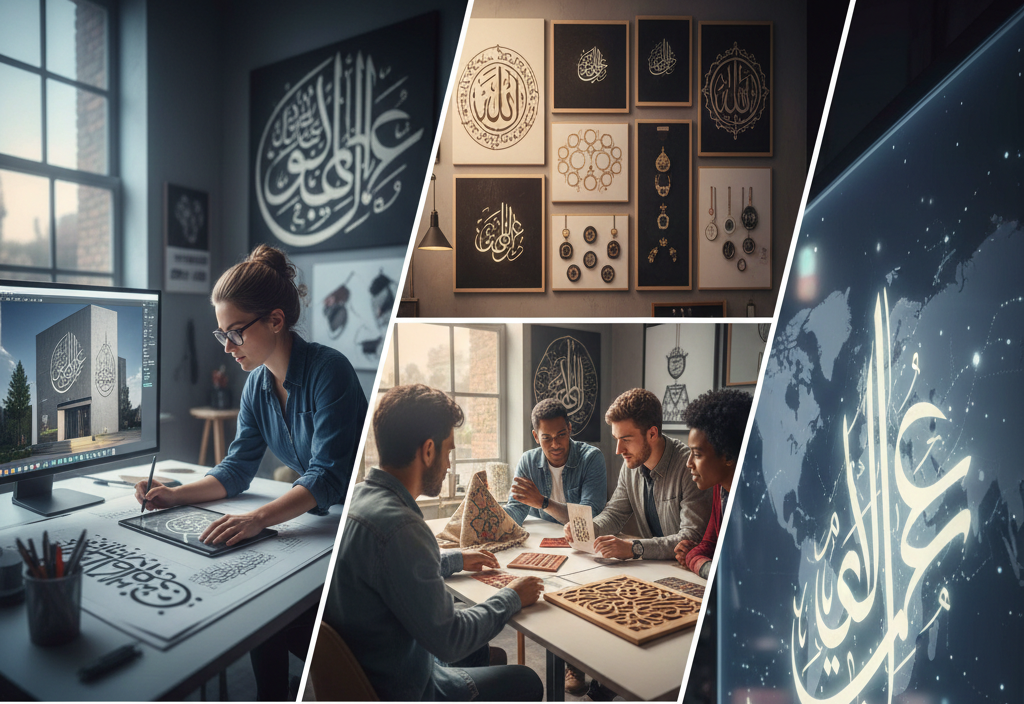
20 January، 2026
Why Is Islamic Calligraphy Gaining Global Popularity in Modern Design?
Islamic calligraphy, an ancient art form with roots in the Quranic tradition, has seen a remarkable resurgence in contemporary design. From interior spaces to digital media, this centuries-old practice is inspiring designers and audiences worldwide. But why is it capturing global attention now, and what makes it so relevant in modern design trends? In this article, we will explore the factors driving this phenomenon, the ways it is being integrated into modern aesthetics, and why it resonates across cultures.
Read More
The Historical Significance of Islamic Calligraphy
To understand its modern appeal, it is essential to recognize the historical foundation of Islamic calligraphy. Originating in the seventh century, Islamic calligraphy was more than just decorative writing. It was a way to preserve the Quran, convey spiritual messages, and express artistic identity. Unlike other art forms, it was highly respected for its spiritual significance, geometric precision, and rhythmic flow. Traditional scripts, such as Kufic, Naskh, and Thuluth, have distinct characteristics that make each style unique. Over time, calligraphers developed personal touches and interpretations while adhering to classical forms. This balance of structure and creativity laid the groundwork for the adaptability of Islamic calligraphy in modern design.The Fusion of Tradition and Modernity
Modern designers are increasingly drawn to Islamic calligraphy because of its ability to merge historical tradition with contemporary aesthetics. The flowing lines, geometric shapes, and elegant curves of Arabic script provide a versatile design element. In graphic design, logos, and typography, calligraphy adds a layer of sophistication and cultural depth. This fusion can be seen in:- Branding: Companies are using calligraphy to convey authenticity and heritage, appealing to audiences seeking cultural richness in visual identity.
- Interior Design: Wall art, murals, and decor featuring calligraphy bring both beauty and spiritual ambiance to spaces.
- Digital Media: Web design, social media graphics, and digital advertisements now often include calligraphy as a way to stand out visually.
Globalization and Cross-Cultural Appreciation
Another reason for the growing popularity of Islamic calligraphy is globalization. With the world more interconnected than ever, cultural appreciation and artistic exchange have become common. People from different backgrounds are drawn to Islamic calligraphy not only for its spiritual roots but also for its visual beauty. In international art fairs, exhibitions, and online marketplaces, contemporary Islamic calligraphy is celebrated as fine art. Social media platforms have amplified this reach, allowing artists to share their work with a global audience instantly. This exposure has created a demand for calligraphic design in fashion, home decor, and digital art, further cementing its place in modern aesthetics.The Role of Technology in Reviving Calligraphy
Technology has played a significant role in making Islamic calligraphy accessible and adaptable. Digital tools allow artists to experiment with new forms, blending traditional script with modern graphics, animations, and 3D effects. Platforms like Adobe Illustrator and Procreate enable precise manipulation of strokes and curves, while AI tools assist in creating complex compositions inspired by classical styles. Moreover, online marketplaces and print-on-demand services have opened up avenues for calligraphy enthusiasts to purchase and showcase art globally. This accessibility ensures that Islamic calligraphy is no longer limited to manuscripts or religious spaces but is part of everyday life in modern design contexts.Emotional and Spiritual Resonance
Islamic calligraphy carries emotional and spiritual significance, which enhances its appeal in modern design. Beyond its aesthetic value, the script often conveys meaningful words, quotes, or Quranic verses. This imbues the artwork with a sense of purpose, intention, and mindfulness that resonates with diverse audiences. In a fast-paced world, spaces and products that incorporate calligraphy can evoke calm, reflection, and connection. Designers recognize this power and use it to create experiences that are both visually stunning and emotionally engaging.Popular Trends in Modern Islamic Calligraphy
Several trends are driving the modern calligraphy movement globally:- Minimalist Calligraphy: Simplifying traditional forms into sleek, clean designs suitable for contemporary branding.
- Abstract Compositions: Artists use calligraphic strokes as abstract elements, emphasizing form over readability.
- Interactive Digital Art: Animated calligraphy in websites, apps, and social media posts creates engaging visual experiences.
- Calligraphy in Fashion: Designers incorporate calligraphic motifs into clothing, accessories, and lifestyle products.
- Mixed Media Installations: Combining traditional materials with modern textures and media to create immersive art pieces.
Challenges in Modern Adaptation
Despite its popularity, modern use of Islamic calligraphy is not without challenges. Authenticity and cultural sensitivity are crucial. Misinterpretation or commercialization of sacred scripts can lead to criticism. Artists and designers must respect the spiritual and historical significance while adapting calligraphy for contemporary use. Ensuring proper education, collaboration with skilled calligraphers, and thoughtful design choices are essential to overcoming these challenges. When done right, Islamic calligraphy becomes a bridge between tradition and modern creativity rather than a mere decorative element.Conclusion
Islamic calligraphy is gaining global popularity in modern design because it beautifully marries tradition with innovation. Its visual elegance, cultural depth, emotional resonance, and adaptability make it highly appealing in contemporary contexts. As technology and globalization continue to influence art, Islamic calligraphy is poised to remain a prominent and respected element in modern design worldwide.Frequently Asked Questions
What makes Islamic calligraphy different from other art forms? Islamic calligraphy emphasizes the beauty of written words, often from the Quran, blending spiritual significance with artistic expression. Its focus on script form and precision distinguishes it from other visual art. Can Islamic calligraphy be used in non-religious contexts? Yes. While rooted in religious tradition, the aesthetic qualities of calligraphy allow it to be incorporated into branding, interior design, fashion, and digital media without necessarily conveying religious content. Is it suitable for modern minimalist design? Absolutely. Minimalist interpretations of traditional scripts are popular in logos, graphic design, and contemporary home decor, striking a balance between elegance and simplicity. How can designers learn Islamic calligraphy? Designers can study classical calligraphy under trained calligraphers, explore online tutorials, and practice using digital tools that replicate traditional brush and pen techniques. Why is Islamic calligraphy popular globally now? Globalization, social media exposure, technological tools, and cross-cultural appreciation have increased the visibility and adaptability of Islamic calligraphy, making it relevant in modern art and design worldwide.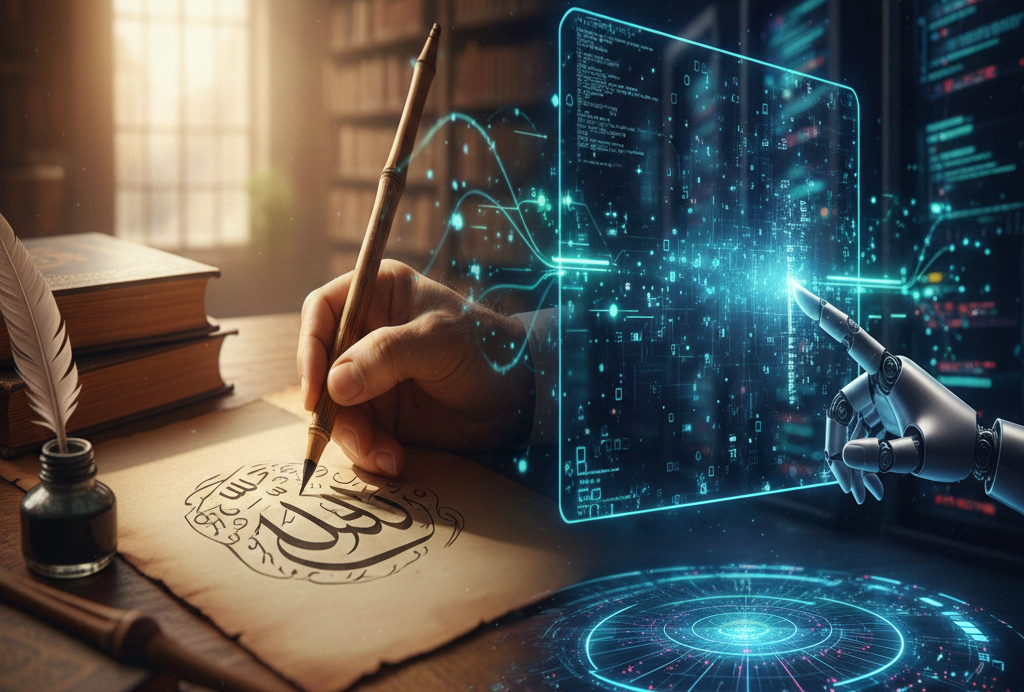
20 January، 2026
How Is Islamic Calligraphy Evolving in the Digital and AI Era?
Islamic calligraphy, with its centuries-old traditions, has always been a profound expression of art and spirituality. From the delicate strokes of the Kufic script to the flowing elegance of Naskh and Thuluth, it has played a pivotal role in preserving and conveying the beauty of Islamic culture. Today, the digital and AI era is opening new horizons for this ancient art form, redefining how it is created, shared, and appreciated. But how exactly is Islamic calligraphy evolving in the context of technology?
Read More
The Traditional Roots of Islamic Calligraphy
Islamic calligraphy began as a devotional and cultural practice. Its primary function was to transcribe the Quran, decorate mosques, and create manuscripts that combined artistic beauty with spiritual significance. Traditional techniques involved meticulous handwork, careful measurement of letters, and mastery over proportions and aesthetics. Calligraphers would spend years honing their skills, learning the nuances of each script style, and perfecting their craft under the guidance of a mentor. Every stroke carried meaning, and the artistry was deeply intertwined with Islamic heritage.Digital Tools Transforming Islamic Calligraphy
With the advent of digital technology, Islamic calligraphy has expanded beyond paper and ink. Modern tools such as graphic tablets, vector design software, and digital brushes allow artists to experiment with new forms while preserving traditional aesthetics.Benefits of Digital Tools:
- Precision and Flexibility: Artists can adjust stroke thickness, spacing, and angles without starting over.
- Creative Experimentation: Digital platforms enable mixing traditional scripts with modern design elements.
- Global Reach: Digital artworks can be shared instantly worldwide, introducing Islamic calligraphy to new audiences.
The Role of AI in Modern Islamic Calligraphy
Artificial intelligence is revolutionizing the way artists create and explore Islamic calligraphy. AI-powered software can now generate letterforms, suggest compositions, and even create entire digital artworks based on user input. Some exciting developments include:- AI-Assisted Design: Artists can input basic ideas, and AI algorithms generate multiple stylized options.
- Pattern Recognition: AI can study historical manuscripts and replicate traditional styles for modern projects.
- Custom Fonts: AI can create calligraphy-inspired digital fonts that maintain authenticity while being usable in modern design.
Blending Tradition with Contemporary Art
The fusion of traditional Islamic calligraphy with contemporary digital design has led to unique artistic expressions. Artists are now experimenting with abstract compositions, modern typography, and interactive digital installations. Some trends include:- 3D Calligraphy: Creating immersive experiences using calligraphy in three-dimensional spaces.
- Motion Graphics: Animated calligraphy for social media, video art, and virtual exhibitions.
- Interactive Installations: Digital displays that respond to viewer movement or touch, bringing calligraphy to life.
Preserving Cultural Heritage in a Digital World
While digital and AI tools offer immense creative freedom, they also raise questions about authenticity and cultural preservation. Maintaining respect for historical scripts and religious contexts is essential. Digital archives and AI-assisted restoration projects are helping preserve centuries-old manuscripts, making them accessible to scholars, artists, and enthusiasts worldwide. By merging technology with tradition, Islamic calligraphy continues to thrive without losing its cultural essence.Challenges and Ethical Considerations
With AI-generated calligraphy, ethical questions arise:- How can we ensure originality and avoid copying historical works?
- Should AI-generated calligraphy be treated as traditional art?
- How do we balance commercial use with spiritual respect?
The Future of Islamic Calligraphy
The digital and AI era is redefining Islamic calligraphy as both a cultural heritage and a contemporary art form. Future possibilities include:- Virtual Reality Exhibitions: Interactive showcases of calligraphic art in virtual environments.
- Personalized AI Designs: Custom artworks for individuals, businesses, or public spaces.
- Global Collaboration: Artists from different countries working together digitally, sharing styles and techniques.
Frequently Asked Questions
- Can AI replace human calligraphers? AI can assist and enhance creativity, but the human touch, cultural knowledge, and spiritual sensitivity remain irreplaceable in traditional Islamic calligraphy.
- Are digital calligraphy works considered authentic? Digital works can be authentic if they respect traditional principles and techniques. Many artists use digital tools to complement, not replace, their skills.
- How can beginners start learning digital Islamic calligraphy? Begin with online tutorials, design software, and digital brushes. Experiment with AI-assisted tools to explore different styles and compositions.
- Is Islamic calligraphy still relevant in modern art? Absolutely. By blending tradition with digital innovation, Islamic calligraphy continues to influence graphic design, architecture, and contemporary art globally.
- How can technology help preserve historical manuscripts? High-resolution scanning, AI restoration, and digital archiving make ancient manuscripts accessible to scholars and ensure their preservation for future generations.
24 December، 2025
Can Islamic calligraphy be used in modern home decor?
Islamic calligraphy has always been admired for its spiritual depth, artistic balance, and timeless beauty. Traditionally seen in mosques, manuscripts, and historic architecture, it is now experiencing a strong revival in contemporary interiors. With modern homes focusing on minimalism, personalization, and meaningful decor, Islamic calligraphy has found a natural place in today’s design trends. This article explores how Islamic calligraphy can be thoughtfully used in modern home decor, blending faith, art, and modern aesthetics.
Read More
The rising trend of meaningful home decor
Modern home decor is shifting away from purely decorative elements toward pieces that tell a story or reflect personal values. Homeowners today want spaces that feel calm, intentional, and emotionally connected. This trend has made room for spiritual and cultural art forms, including Islamic calligraphy. Rather than being limited to traditional frames and classic layouts, calligraphy is now reimagined using clean lines, neutral palettes, and contemporary materials. Designers and homeowners are embracing Islamic calligraphy as both an artistic statement and a source of inspiration within everyday living spaces.Understanding Islamic calligraphy as an art form
Islamic calligraphy is not just decorative writing. It is an art rooted in centuries of tradition, discipline, and devotion. Verses from the Quran, names of Allah, and meaningful Arabic phrases are carefully crafted to create harmony between text and form. What makes Islamic calligraphy especially suitable for modern interiors is its flexibility. It can be bold or subtle, detailed or minimal, colorful or monochrome. This versatility allows it to adapt beautifully to different interior styles without losing its spiritual essence.How Islamic calligraphy fits into modern interior design
Minimalist interiors
Minimalist homes focus on simplicity, space, and balance. A single piece of Islamic calligraphy artwork can act as a focal point without overwhelming the room. Black Arabic script on a white or neutral background works especially well in minimalist settings, offering visual interest while maintaining calmness. Choosing a clean calligraphy style and a simple frame allows the artwork to blend naturally with modern furniture and uncluttered spaces.Contemporary and modern homes
In contemporary interiors, Islamic calligraphy is often paired with abstract backgrounds, metallic finishes, or mixed materials. Canvas prints, acrylic panels, and metal wall art are popular choices. These modern formats give traditional calligraphy a fresh and stylish appearance. This approach aligns perfectly with the latest trend of mixing cultural heritage with modern design elements.Scandinavian and neutral themed spaces
Scandinavian interiors emphasize warmth, light, and natural materials. Soft color palettes combined with subtle calligraphy designs can enhance the peaceful atmosphere of these spaces. Wooden frames, beige tones, and soft greys help integrate calligraphy seamlessly into the decor.Popular ways to use Islamic calligraphy in home decor
Wall art and statement pieces
Wall art remains the most popular way to display Islamic calligraphy. A large artwork in the living room, hallway, or dining area can become a meaningful centerpiece. Popular choices include Ayat al Kursi, Bismillah, or short Quranic verses that promote peace and gratitude. Positioning is important. Calligraphy should be placed at eye level and in a respectful location that aligns with both design and spiritual considerations.Bedroom decor for a peaceful environment
In bedrooms, Islamic calligraphy helps create a calming and reflective atmosphere. Verses related to protection, patience, or remembrance are often chosen. Soft colors and gentle calligraphy styles work best in private spaces, supporting relaxation and mindfulness.Home office and study areas
As remote work becomes more common, people are personalizing their home offices. Islamic calligraphy in a study area can serve as daily inspiration and motivation. Short phrases emphasizing knowledge, intention, or perseverance are ideal for these spaces.Entryways and hallways
The entrance of a home sets the tone for what lies inside. Placing Islamic calligraphy near the entrance creates a welcoming and spiritually uplifting first impression. Simple designs with elegant typography work best in these transitional spaces.Choosing the right calligraphy style for modern homes
Not all calligraphy styles suit every interior. Selecting the right style is essential for achieving a modern look. Classic scripts like Thuluth and Naskh offer elegance and tradition, while Kufic calligraphy, especially modern or geometric Kufic, aligns perfectly with contemporary design trends. Simplified strokes and balanced compositions help the artwork feel current rather than overly traditional. Artists like Nihad Dukhan are redefining classic and modern Arabic calligraphy by bridging heritage with modern design sensibilities. Through refined compositions and thoughtful presentation, calligraphy becomes accessible to modern audiences without losing authenticity.Materials and finishes that enhance modern appeal
Modern Islamic calligraphy is no longer limited to paper and ink. Today, artists experiment with various materials to match contemporary interiors. Popular options include canvas prints for a clean look, metal wall art for an industrial or luxury feel, and acrylic panels for a sleek and polished appearance. Wooden textures add warmth, while gold or silver accents introduce subtle elegance. Choosing the right material ensures the artwork complements furniture, lighting, and overall color schemes.Balancing spirituality and aesthetics
One of the most important aspects of using Islamic calligraphy in modern decor is balance. The artwork should feel integrated rather than forced. Avoid overcrowding walls with too many calligraphy pieces. Instead, allow each artwork space to breathe and speak on its own. This balance reflects both good design principles and the spiritual respect that Islamic calligraphy deserves.Custom Islamic calligraphy for personal spaces
Customization is a growing trend in home decor. Many homeowners now prefer personalized calligraphy featuring specific verses, names, or phrases that hold personal meaning. Custom pieces allow for control over size, color, style, and material, ensuring a perfect match with the interior. Custom Islamic calligraphy also makes thoughtful gifts for new homes, weddings, or special occasions.Why Islamic calligraphy is more relevant than ever
In a fast paced world, people seek calm, purpose, and connection in their living spaces. Islamic calligraphy offers all three. It reminds residents of faith, values, and inner peace while serving as refined art. As modern decor trends continue to emphasize authenticity and meaning, Islamic calligraphy stands out as a timeless yet contemporary choice.Frequently asked questions
Can Islamic calligraphy match modern furniture?
Yes. With the right style, color palette, and material, Islamic calligraphy blends seamlessly with modern furniture. Minimalist and geometric designs work especially well.Is it appropriate to place Quranic verses in living areas?
Yes, as long as the placement is respectful and clean. Many homeowners choose common areas to display verses that inspire positivity and reflection.Which calligraphy style is best for a modern home?
Modern Kufic and simplified Thuluth styles are popular choices for contemporary interiors due to their clean lines and balanced forms.Can Islamic calligraphy be used in small spaces?
Absolutely. Smaller framed pieces or subtle designs are perfect for apartments, hallways, and compact rooms without overwhelming the space.Where can I find modern Islamic calligraphy artwork?
Artists and designers like Nihad Dukhan offer carefully crafted calligraphy that blends classic Arabic art with modern design, making it ideal for contemporary homes.Final thoughts
So, can Islamic calligraphy be used in modern home decor? Without a doubt, yes. It enhances interiors with beauty, meaning, and cultural depth. When chosen thoughtfully, Islamic calligraphy transforms modern homes into spaces that are not only stylish but also spiritually enriching. As this trend continues to grow, it proves that tradition and modernity can coexist beautifully within the same space.
24 December، 2025
What are the main styles of Arabic calligraphy?
Arabic calligraphy has always been more than decorative writing. It is a visual language that carries spirituality, culture, and artistic discipline. In recent years, this ancient art has found new life in digital design, branding, and modern typography. From traditional mosque inscriptions to contemporary fonts used in global design projects, Arabic calligraphy continues to evolve while staying rooted in its classical foundations.
At Nihad Dukhan, this balance between heritage and innovation is at the heart of modern Arabic font design. Through platforms like ndukhan.com, classical calligraphy styles are reinterpreted for today’s creative needs.
This article explores the main styles of Arabic calligraphy, their historical background, and how they influence modern design trends today.
Read More
Understanding Arabic calligraphy as an art form
Arabic calligraphy developed alongside the Arabic language and the spread of Islam. Because early Islamic art avoided figurative imagery, calligraphy became the primary visual expression. Over centuries, master calligraphers refined letter proportions, stroke rhythms, and spacing rules, creating distinct styles. Each style reflects a specific purpose, region, and period. Some were designed for readability, others for decoration, and some for spiritual expression. Modern designers now revisit these styles to create fonts, logos, and visual identities that feel authentic yet contemporary.Kufic calligraphy: the foundation of Arabic scripts
Kufic is one of the oldest Arabic calligraphy styles. Originating in the city of Kufa in Iraq, it is known for its strong geometric structure and angular forms.Key characteristics of Kufic
- Straight lines and sharp angles
- Square and rectangular letter shapes
- Minimal curves compared to later styles
Kufic in modern design
Today, Kufic inspires logo design, architectural branding, and experimental typography. Designers often adapt its geometric nature for digital layouts, creating modern fonts that feel timeless and structured. This style is especially popular in contemporary Islamic art and minimalist branding projects.Naskh calligraphy: clarity and elegance
Naskh is one of the most widely used Arabic scripts and is often considered the most readable. It emerged as a more fluid alternative to Kufic and became the standard for book copying.Key characteristics of Naskh
- Rounded letterforms
- Balanced proportions
- Clear separation between letters
Naskh in modern typography
Many digital Arabic fonts are based on Naskh due to its readability on screens. Designers at Nihad Dukhan often draw inspiration from Naskh when creating modern fonts that need to perform well in both print and digital environments while maintaining a classical feel.Thuluth calligraphy: artistic grandeur
Thuluth is known for its dramatic curves and elongated vertical strokes. It is one of the most decorative Arabic calligraphy styles and requires high technical skill.Key characteristics of Thuluth
- Long vertical lines
- Deep curves and overlapping letters
- Complex composition rules
Thuluth in contemporary art
In modern design, Thuluth influences expressive typography, art installations, and luxury branding. Designers may simplify its complexity while preserving its elegance, making it suitable for posters, album covers, and cultural campaigns.Diwani Jali calligraphy: elegance and movement
Diwani Jali developed during the Ottoman era and was used primarily in royal courts. It is known for its flowing, intertwined letterforms.Key characteristics of Diwani
- Highly cursive and decorative style
- Letters often overlap and connect closely
- Limited use of straight lines
Diwani in modern creative projects
Today, Diwani Jali and its brother script Diwani are popular in wedding invitations, certificates, and artistic compositions. Modern designers often use it as an accent style, adding a sense of sophistication and tradition to visual designs.Ruqah calligraphy: simplicity and speed
Ruqah is a practical script developed for everyday handwriting. It is simple, fast to write, and easy to read.Key characteristics of Ruqah
- Short, straight strokes
- Minimal decorative elements
- Compact letter shapes
Ruqah in digital design
Ruqah inspires clean, modern Arabic fonts used in interfaces, mobile apps, and informal branding. Its simplicity aligns well with user experience design and contemporary layouts.Nastaliq calligraphy: poetic expression
Nastaliq originated in Persia and is widely associated with Persian, Urdu, and poetic Arabic texts. It has a distinctive diagonal flow.Key characteristics of Nastaliq
- Slanted baseline
- Hanging letterforms
- Elegant and lyrical appearance
Nastaliq in modern media
This style is commonly used in poetry books, cultural publications, and artistic posters. In digital typography, Nastaliq presents technical challenges, but modern font design has made it more accessible for screens.Maghrebi calligraphy: regional identity
Maghrebi developed in North Africa and Andalusia. It reflects regional writing traditions and cultural influences.Key characteristics of Maghrebi
- Rounded letterforms
- Wide curves and extended strokes
- Distinctive dot placement
Maghrebi in contemporary design
Maghrebi scripts are now used to highlight regional identity in branding, tourism, and cultural heritage projects. Designers adapt its unique forms to create visually rich and authentic designs.How modern trends are reshaping Arabic calligraphy
Modern design trends have transformed how Arabic calligraphy is used and perceived. Today, calligraphy is no longer limited to religious or classical contexts.Digital typography and variable fonts
Designers now create Arabic fonts that adapt across devices and layouts. Classical styles like Naskh and Kufic are reimagined with flexible weights and responsive spacing.Branding and logo design
Arabic calligraphy plays a major role in brand identity, especially for businesses seeking cultural authenticity. Custom calligraphic logos combine tradition with modern aesthetics, a focus seen in the work showcased by Nihad Dukhan.Cross cultural design
Arabic calligraphy increasingly appears in global design projects, fashion, and art exhibitions. This fusion introduces Arabic scripts to new audiences while respecting their origins.Choosing the right Arabic calligraphy style
Selecting a calligraphy style depends on the purpose of the project.- For readability and long text, Naskh or Ruqah works best
- For artistic impact, Thuluth or Diwani is ideal
- For modern and geometric designs, Kufic is a strong choice
- For poetic or cultural expression, Nastaliq or Maghrebi adds depth
FAQ: Arabic calligraphy styles explained
What is the most popular Arabic calligraphy style today?
Naskh remains the most widely used due to its readability, especially in digital fonts and printed materials.Which Arabic calligraphy style is best for logos?
Kufic and Diwani are popular choices for logos. Kufic offers structure and modern appeal, while Diwani adds elegance and artistic flair.Can traditional Arabic calligraphy be used in modern design?
Yes. Modern typography adapts classical styles into digital fonts, making them suitable for websites, branding, and mobile applications.Why is Arabic calligraphy important in Islamic culture?
Arabic calligraphy preserves and honors the Arabic language of the Quran. It became a primary artistic expression due to religious and cultural values.Where can designers find modern Arabic fonts inspired by calligraphy?
Platforms like Nihad Dukhan provide modern Arabic fonts that respect classical calligraphy while meeting contemporary design needs.Final thoughts
Arabic calligraphy is a living art form that continues to evolve. From the geometric strength of Kufic to the flowing elegance of Diwani and the clarity of Naskh, each style tells a story shaped by history, culture, and purpose. Today’s trends show that Arabic calligraphy is not confined to the past. It is actively shaping modern typography, branding, and visual identity. By understanding these main styles and their modern applications, designers and enthusiasts can appreciate the depth of Arabic calligraphy and use it meaningfully in today’s creative world.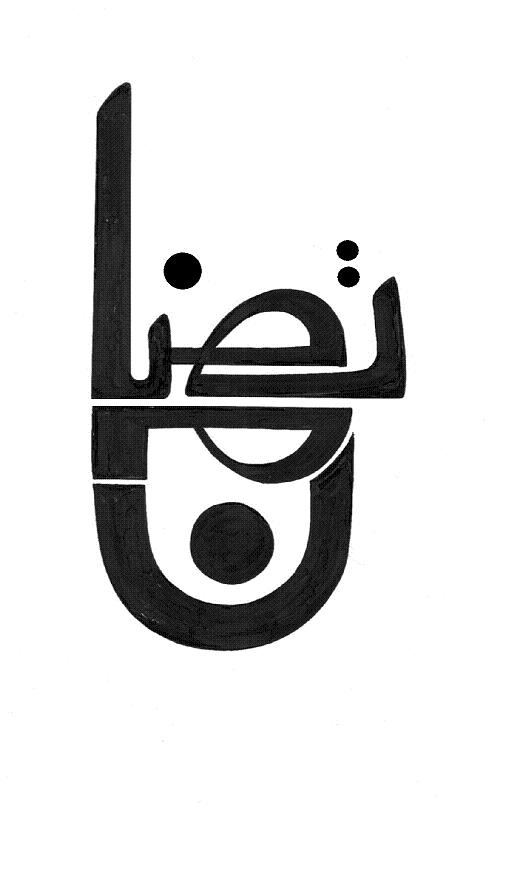
11 November، 2025
Read More
What Role Does Technology Play in Modern Arabic Calligraphy?
The Fusion of Tradition and Innovation
Arabic calligraphy has always been more than a visual art; it's a reflection of faith, philosophy, and cultural depth. Rooted in centuries-old traditions, this form of artistic writing transcends mere decoration. But in the 21st century, the canvas has evolved. With the rise of digital tools, artificial intelligence, and design software, Arabic calligraphy is undergoing a fascinating transformation. Today, artists are asking a pivotal question: How can modern technology preserve the soul of Arabic calligraphy while pushing its boundaries? Let’s explore how digital innovation, when paired with traditional artistry, is reshaping the future of Arabic calligraphy.1. A Brief Look Back: The Legacy of Arabic Calligraphy
Arabic calligraphy has flourished for over a millennium, evolving from Kufic script in early Qur’anic manuscripts to fluid styles like Naskh, Thuluth, and Diwani. Each style carried both artistic beauty and spiritual symbolism. Traditionally, calligraphers spent years mastering proportion, rhythm, and balance often by hand using reed pens (qalam) and natural inks on parchment. Precision was not just an aesthetic choice but a moral one; calligraphy was an act of devotion. This deep-rooted craftsmanship remains the foundation even in today’s technologically enhanced era.2. Digital Transformation: Redefining the Calligrapher’s Canvas
The digital revolution has opened up new possibilities for artists and designers. In modern Arabic calligraphy, technology is not replacing tradition, it's expanding it.a. Digital Tools and Design Software
Applications like Adobe Illustrator, Procreate, and CorelDRAW have become the new workbenches of many calligraphers. These tools allow for:- Precision and flexibility: Artists can adjust stroke thickness, curve smoothness, and color gradients effortlessly.
- Experimentation: Layers and vector paths encourage exploration without fear of error.
- Reproducibility: Designs can be scaled, printed, and shared globally while maintaining their quality.
3. The Rise of AI and Algorithmic Design
In the past few years, AI-driven art platforms have entered the creative sphere. Tools like Midjourney, DALL·E, and Adobe Firefly can generate intricate Arabic calligraphic compositions in seconds.How AI Contributes:
- Style simulation: AI can mimic calligraphic scripts and compositions, allowing artists to visualize ideas quickly.
- Learning assistance: Machine learning models trained on historical calligraphy can analyze patterns, helping students understand proportions and letter geometry.
- Preservation: Digitizing ancient calligraphy samples ensures historical accuracy and accessibility.
The Debate:
While AI enhances learning and experimentation, it lacks the intentionality of human expression. Arabic calligraphy is deeply spiritual; its essence lies not just in the visual form but in the calligrapher’s intention. Thus, many professionals see AI as a supporting tool, not a replacement for human creativity.4. 3D and Virtual Reality in Calligraphy
Emerging technologies like 3D modeling and VR (Virtual Reality) are redefining how audiences experience Arabic calligraphy.- 3D calligraphy transforms flat letters into sculptural forms that play with light, shadow, and depth. Artists are creating installations where letters seem to float in space, merging art and architecture.
- Virtual reality exhibitions allow viewers to step into immersive environments inspired by Arabic scripts moving through digital calligraphy as if walking inside a poem.
5. NFTs and the Digital Marketplace
The NFT (Non-Fungible Token) trend has also reached the world of Arabic calligraphy. Artists can now sell digital works as unique collectibles, ensuring authenticity and ownership through blockchain technology.Benefits of NFTs for Calligraphers:
- Global reach: Artists can share their work with collectors worldwide.
- Digital preservation: Calligraphic art can live forever on blockchain, immune to physical decay.
- Economic empowerment: Independent artists can sell directly without intermediaries.
6. Online Learning and Social Media Influence
Technology has democratized access to Arabic calligraphy education. What was once taught through traditional master-apprentice systems can now be learned through:- Online workshops and virtual studios
- YouTube tutorials
- Social media platforms like Instagram and TikTok
7. Balancing Innovation and Authenticity
The real challenge is not adopting technology but doing so without losing the soul of the art. True mastery lies in the balance between the hand and the screen between the human touch and the precision of software. Dr. Nihad Dukhan, for example, emphasizes the integration of traditional training with modern visual expression. His work reflects a dialogue between heritage and progress, a bridge between calligraphy’s sacred past and its digital future. To keep Arabic calligraphy authentic in the digital age:- Artists must understand the classical principles before experimenting digitally.
- They should treat technology as a medium, not a shortcut.
- The spiritual intention behind the art must remain intact.
8. The Future of Arabic Calligraphy: Where Tradition Meets Tomorrow
The future of Arabic calligraphy lies in collaboration between calligraphers, digital designers, and technologists. Imagine:- Interactive museum displays powered by AI that let viewers “draw” with digital ink.
- Apps that analyze your handwritten calligraphy and offer instant feedback.
- Augmented reality calligraphy workshops, where students learn from masters across continents.
FAQs: Understanding Technology’s Role in Arabic Calligraphy
1. Can digital tools replace traditional calligraphy methods?
Not entirely. Digital tools enhance flexibility and accessibility, but they can’t replicate the spiritual depth and tactile beauty of hand-drawn letters. The best results come from combining both approaches.2. How can beginners start learning Arabic calligraphy using technology?
Start with digital tools like Procreate, which simulate traditional brushes and pens. Online tutorials and courses can provide foundational knowledge before moving to manual practice.3. Is AI-generated Arabic calligraphy authentic art?
AI can reproduce forms but not intentions. Authentic calligraphy stems from the artist’s soul, while AI-generated work reflects patterns learned from data.4. What is the benefit of digitizing ancient Arabic calligraphy manuscripts?
Digitization helps preserve fragile manuscripts, making them accessible to researchers and enthusiasts worldwide. It also aids in documenting stylistic evolution across centuries.5. How does technology influence the global appreciation of Arabic calligraphy?
Social media, digital galleries, and online exhibitions have made Arabic calligraphy visible to global audiences. This exposure fosters cultural understanding and promotes artistic exchange.Conclusion: The Digital Renaissance of Arabic Calligraphy
Technology has not diluted Arabic calligraphy, it has given it new life. From digital canvases to AI-enhanced creativity, modern tools offer infinite ways to express timeless beauty. Yet, the true essence of Arabic calligraphy remains rooted in human emotion, spirituality, and discipline. For artists like Nihad Dukhan, technology is not a substitute, it's a partner in evolution. It helps carry forward centuries of tradition into a connected, digital world ensuring that Arabic calligraphy continues to inspire hearts across generations.
25 February، 2026
What Is Arabic Calligraphy and Why Is It So Unique?
In a world dominated by digital fonts, AI image generators, and fast visual content, why is Arabic calligraphy still capturing hearts across cultures? Why are designers, collectors, and art lovers rediscovering it as both a spiritual practice and a modern design trend?
Arabic calligraphy is not just beautiful writing. It is a living art form that blends language, rhythm, geometry, spirituality, and personal expression into a single visual experience. And today, as people search for deeper meaning in art, it feels more relevant than ever.
On ndukhan.com, artist Nihad Dukhan explores this timeless art through contemporary compositions that speak to both tradition and innovation. But before we explore its modern appeal, let us understand what Arabic calligraphy truly is and why it stands apart.
Read More
What Is Arabic Calligraphy?
Arabic calligraphy is the artistic practice of writing Arabic script in a stylized and aesthetically refined way. It transforms language into visual art. Unlike standard handwriting, calligraphy follows strict rules of proportion, balance, and structure. Every letter has a measured relationship to the others. Spacing, thickness, curves, and angles are carefully calculated to create harmony. But Arabic calligraphy is not just technical precision. It is emotional. It is spiritual. It is expressive. Historically, it developed as a way to beautifully preserve and transmit the Arabic language, especially in religious texts. Over time, it evolved into architectural decoration, manuscript illumination, ceramics, textiles, and modern canvas art.Why Is Arabic Calligraphy So Unique Compared to Other Writing Systems?
There are many calligraphic traditions around the world. Chinese, Japanese, and Latin scripts all have rich histories. Yet Arabic calligraphy holds a distinctive identity for several reasons.1. The Script Itself Is Naturally Fluid
Arabic letters connect to one another, forming flowing word structures. This allows for endless artistic variations. Letters stretch, curve, overlap, intertwine, and rise vertically in elegant forms. The script can feel architectural and structured, or soft and organic. It can be symmetrical and geometric, or spontaneous and expressive. That natural fluidity makes Arabic calligraphy incredibly versatile.2. Geometry Plays a Central Role
Arabic calligraphy often follows mathematical proportions. Classical calligraphers used the dot, formed by the nib of the pen, as a measurement unit. Every letter was built using consistent proportional systems. This precision gives the artwork a strong internal harmony. Even when the composition looks free flowing, it is grounded in geometric balance.3. It Blends Art and Spiritual Meaning
In many cases, Arabic calligraphy carries spiritual or philosophical texts. The meaning of the words enhances the visual impact. Viewers do not just see beauty. They feel depth. This combination of message and form creates a layered experience. The artwork speaks visually and intellectually at the same time.4. It Adapts Beautifully to Modern Design
From contemporary interiors to digital art installations, Arabic calligraphy adapts seamlessly. It appears in abstract paintings, corporate branding, fashion design, and architectural spaces. Artists like Nihad Dukhan reinterpret traditional forms into modern compositions, making the art accessible to global audiences without losing authenticity.A Brief Look at Major Styles of Arabic Calligraphy
Arabic calligraphy includes many classical styles, each with its own personality and historical roots.Kufic
Kufic is one of the earliest forms of Arabic calligraphy. It is angular, structured, and geometric. You often see it in architectural decoration and early manuscripts. Its bold lines make it ideal for monumental inscriptions and contemporary geometric reinterpretations.Thuluth
Thuluth is known for its elegance and sweeping curves. It is often used in mosque decorations and formal artistic compositions. This style demands mastery, as its complex structure requires precise control.Naskh
Naskh is clearer and more readable, making it widely used in books and printed texts. Its balanced proportions make it both functional and beautiful. Each style reflects a different mood. Some are bold and architectural. Others are delicate and refined. Together, they show the richness of this tradition.Why Is Arabic Calligraphy Trending Again in the Digital Era?
It might seem surprising that a traditional art form is gaining attention in a digital world. Yet the reasons are clear.1. People Crave Authenticity
Fast content can feel disposable. Arabic calligraphy represents patience, discipline, and craftsmanship. Viewers are drawn to art that feels intentional.2. Visual Culture Is Global
Social platforms and online galleries have introduced Arabic calligraphy to new audiences worldwide. Designers and collectors are discovering its visual power.3. Fusion with Contemporary Art
Modern artists combine calligraphy with abstract painting, textured canvases, and experimental compositions. The result is art that feels timeless and current at the same time. On ndukhan.com, Nihad Dukhan presents works that merge classical calligraphic foundations with contemporary visual language. This fusion resonates with collectors who appreciate both heritage and innovation.4. It Elevates Interior Spaces
Arabic calligraphy has become a statement element in modern interiors. Large scale canvases featuring elegant script bring depth, sophistication, and cultural richness to homes and offices.The Emotional Impact of Arabic Calligraphy
Arabic calligraphy is not just decoration. It communicates emotion through movement and rhythm. Thick strokes suggest strength. Extended horizontal lines feel calm and stable. Rising vertical forms create aspiration. Circular compositions evoke unity. Even if viewers cannot read Arabic, they often feel the artwork’s mood. The script becomes universal in its expression. That emotional accessibility is part of what makes it so unique.The Process Behind the Art
Traditional Arabic calligraphy begins with mastering tools and discipline. Calligraphers often use a reed pen known as a qalam. The angle of the nib determines line thickness. Ink flow must be controlled carefully. Every stroke requires intention. Before creating a final composition, artists practice individual letters repeatedly to achieve balance. Only after mastering structure can they explore creative arrangements. Contemporary artists may use canvas, acrylic, mixed media, or digital techniques. Yet the foundation remains rooted in classical principles. This balance between tradition and innovation keeps the art form alive.Arabic Calligraphy as Cultural Identity
For many, Arabic calligraphy represents cultural heritage and identity. It connects generations across time. At the same time, it is not limited to one region. Today, collectors from around the world appreciate it as fine art. It bridges cultures. It invites dialogue. It challenges viewers to engage with language visually.Why Artists Like Nihad Dukhan Stand Out
While many artists practice Arabic calligraphy, each develops a unique visual voice. Nihad Dukhan’s work is known for its refined balance between classical precision and contemporary abstraction. His compositions often explore movement, rhythm, and layered depth. By maintaining respect for traditional proportional systems while experimenting with layout and texture, his artwork demonstrates how Arabic calligraphy continues to evolve. For collectors visiting ndukhan.com, the experience is not just about purchasing art. It is about engaging with a living tradition reinterpreted for modern spaces.Frequently Asked Questions About Arabic Calligraphy
Is Arabic calligraphy only religious?
No. While it has strong historical ties to religious texts, Arabic calligraphy also includes poetry, philosophical quotes, personal expressions, and purely aesthetic compositions.Do you need to understand Arabic to appreciate it?
Not at all. Many viewers are drawn to the visual harmony and movement of the script. Understanding the language adds another layer, but it is not required to feel its beauty.Is Arabic calligraphy difficult to learn?
Yes, it requires discipline and patience. Mastering letter proportions and pen control can take years. However, beginners can start with basic strokes and gradually build skill.How is modern Arabic calligraphy different from classical forms?
Modern artists often experiment with scale, color, texture, and abstraction. While classical forms follow strict rules, contemporary interpretations may bend or reinterpret them while still respecting foundational principles.Why is Arabic calligraphy considered fine art today?
Because it transcends functional writing. It combines technical mastery, aesthetic composition, cultural meaning, and emotional impact. Collectors recognize its depth and artistic value.Final Thoughts
So what is Arabic calligraphy, and why is it so unique in today’s digital art trend? It is a fusion of language and geometry. It is structure and emotion woven together. It is heritage carried forward through modern creativity. In a time when visuals are everywhere, Arabic calligraphy stands out because it invites you to slow down. To look closely. To feel the rhythm of lines and curves. Through artists like Nihad Dukhan, this timeless tradition continues to evolve, proving that true art does not fade with technology. It transforms, adapts, and speaks across generations. And perhaps that is what makes Arabic calligraphy truly unique.
25 February، 2026
Can Modern Islamic Calligraphy Be Minimalist?
Minimalism has quietly taken over the visual world. From architecture to branding, from interior design to digital art, the preference for simplicity, clarity, and intentional space is everywhere. But where does that leave Islamic calligraphy, an art form historically known for intricate detail, layered symbolism, and ornamental beauty?
Can modern Islamic calligraphy truly be minimalist while preserving its spiritual depth and cultural heritage?
The answer is not only yes, but it is already happening.
Artists like Nihad Dukhan are exploring this powerful intersection where sacred tradition meets contemporary design thinking. The result is not a dilution of the art form, but a refined evolution.
Let’s explore how.
Read More
Understanding the Essence of Islamic Calligraphy
Islamic calligraphy is far more than decorative writing. It is a visual expression of faith, philosophy, and sacred language. Traditionally, it has been used to transcribe verses from the Quran, prophetic sayings, and poetic reflections on spirituality. For centuries, calligraphers mastered complex scripts such as Thuluth, Naskh, Diwani, and Kufic. Each script carried its own structure, rhythm, and aesthetic rules. The art demanded discipline, patience, and precision. Historically, Islamic calligraphy often appeared with elaborate geometric patterns, arabesque designs, and architectural ornamentation. Mosques, manuscripts, ceramics, and textiles were adorned with intricate compositions. So where does minimalism fit into something so richly layered?What Minimalism Really Means Today
Minimalism is often misunderstood as simply removing decoration. In reality, it is about intentional reduction. It asks a simple question: what is essential? In contemporary art and design, minimalism emphasizes:- Clean lines
- Limited color palettes
- Focus on form
- Generous negative space
- Emotional clarity
The Surprising Harmony Between Minimalism and Islamic Art
At first glance, minimalism and Islamic calligraphy might seem like opposites. One is stripped down. The other is traditionally ornate. But if we look deeper, we find shared principles. Islamic calligraphy has always valued balance, proportion, rhythm, and intentional spacing. The structure of classical scripts is built on mathematical precision. Every curve and line follows strict proportional systems. Minimalism also respects structure and harmony. The connection becomes clear: both aim for clarity through discipline. Artists such as Nihad Dukhan demonstrate how reducing visual noise can highlight the spiritual essence of the words themselves. When ornamental complexity is minimized, the viewer engages more directly with the message.How Modern Islamic Calligraphy Embraces Minimalism
Modern Islamic calligraphy does not abandon tradition. Instead, it reinterprets it. Here are several ways this shift is happening.1. Simplified Compositions
Instead of dense layering, contemporary pieces often feature a single word or short phrase centered within open space. The emptiness surrounding the script becomes part of the design. The eye rests. The mind reflects. The simplicity invites contemplation.2. Monochrome Palettes
Many minimalist calligraphic works rely on black ink against white backgrounds or subtle neutral tones. Removing excessive color directs attention to form and meaning. Sometimes gold or a single accent color is used strategically rather than abundantly.3. Modern Materials
Canvas, acrylic panels, metal, and digital formats are increasingly used. The medium itself contributes to the minimalist feel. Smooth surfaces and clean finishes align beautifully with contemporary interiors.4. Geometric Restraint
While traditional Islamic art often integrates complex geometric patterns, minimalist interpretations may use a single subtle geometric frame or none at all. The script becomes the sole focal point.The Spiritual Power of Less
One of the most compelling reasons minimalist Islamic calligraphy works so well is spiritual resonance. Islam emphasizes reflection, humility, and intentionality. Minimalist design mirrors these values. When a single word like "Sabr" or "Tawakkul" stands alone on a clean background, it carries emotional weight. The absence of distraction intensifies the presence of meaning. The viewer is not overwhelmed. They are invited inward. This approach transforms calligraphy from decorative art into meditative art.The Role of Contemporary Artists
Artists such as Nihad Dukhan represent a bridge between heritage and modernity. By respecting classical principles while embracing contemporary aesthetics, they create work that feels timeless rather than trendy. This balance is crucial. If minimalism is applied without understanding traditional rules, the result can feel hollow. But when an artist deeply understands script structure and proportion, simplification becomes refinement rather than reduction. True mastery allows for intentional restraint.Minimalist Calligraphy in Modern Interiors
Interior design trends strongly favor clean spaces. Neutral walls, natural light, and uncluttered layouts dominate contemporary homes and offices. Minimalist Islamic calligraphy fits seamlessly into this environment. A single framed piece above a console table can become a quiet focal point. In professional spaces, it adds cultural identity without overwhelming the room. Because of its simplicity, minimalist calligraphy adapts easily to modern architecture. It does not compete with the space. It complements it.Digital Age Influence
Social media platforms and digital portfolios have also influenced this shift. In a world of scrolling and short attention spans, clarity stands out. Bold, clean calligraphy photographs better and translates effectively across screens. Minimalist compositions are visually impactful even in small digital formats. This makes them more shareable and accessible to global audiences. The digital era has accelerated the popularity of refined, simplified calligraphic expressions.Addressing the Critics
Not everyone welcomes this evolution. Some argue that reducing ornamentation removes the historical richness of Islamic calligraphy. Others worry that modern interpretations may compromise authenticity. These concerns are understandable. However, artistic traditions have always evolved. Even classical scripts developed over time. What we now call traditional was once innovative. Minimalism does not erase tradition. It offers another lens through which to view it. As long as artists respect the structural foundations of script and maintain spiritual sincerity, evolution strengthens rather than weakens the art form.Is Minimalist Islamic Calligraphy Just a Trend?
Design trends come and go. But certain movements endure because they reflect deeper human needs. Minimalism resonates because modern life is saturated with information and visual noise. People crave calm, clarity, and focus. Islamic calligraphy, when presented in a minimalist format, answers that craving. Rather than being a passing fashion, it represents a thoughtful adaptation to contemporary sensibilities. Its staying power depends not on trend cycles but on artistic integrity.How Collectors and Art Lovers Respond
Collectors are increasingly drawn to works that feel both culturally meaningful and aesthetically modern. Minimalist Islamic calligraphy appeals to younger generations who appreciate clean design while remaining connected to heritage. It also attracts non Muslim audiences who admire the abstract beauty of Arabic script without necessarily understanding the language. This broader accessibility expands appreciation for the art form globally.The Balance Between Simplicity and Depth
The key question remains: how minimal is too minimal? If simplification removes the structural harmony of the script, it loses authenticity. If it removes meaning, it becomes mere typography. True minimalist Islamic calligraphy maintains:- Script integrity
- Proportional accuracy
- Spiritual intention
- Thoughtful composition
Why This Matters Today
We live in an era of cultural intersection. Globalization connects traditions and aesthetics across borders. Modern Islamic calligraphy that embraces minimalism speaks both languages. It honors history while participating in contemporary visual culture. It tells the world that tradition is not frozen in time. It evolves, breathes, and adapts. Artists like Nihad Dukhan demonstrate that innovation rooted in knowledge can create art that feels both modern and eternal.Frequently Asked Questions
Can Islamic calligraphy be minimalist without losing authenticity?
Yes, when the artist respects traditional script rules and proportions. Minimalism becomes a stylistic choice rather than a rejection of heritage.Is minimalist Islamic calligraphy less complex?
Visually it may appear simpler, but conceptual and structural complexity remains. In many cases, refinement requires greater skill.Why is minimalist calligraphy popular in modern homes?
Clean compositions integrate well with contemporary interiors. They provide spiritual and cultural meaning without overwhelming the space.Does minimalism conflict with Islamic artistic tradition?
Not necessarily. Islamic art historically values balance, geometry, and intentional design. These principles align naturally with minimalist philosophy.How do artists decide what to remove?
Experienced calligraphers simplify only non essential decorative elements while preserving script structure and meaning.Is minimalist Islamic calligraphy suitable for corporate spaces?
Yes. Its clean aesthetic and meaningful content make it appropriate for offices, galleries, and professional environments.Final Reflection
So, can modern Islamic calligraphy be minimalist in today’s design trend? Absolutely. Minimalism does not diminish Islamic calligraphy. When approached with knowledge and reverence, it sharpens its impact. By reducing visual excess, artists allow the spiritual and linguistic beauty of the script to shine more clearly. The result is art that feels grounded in tradition yet completely at home in contemporary spaces. Through thoughtful creators like Nihad Dukhan, we see that the future of Islamic calligraphy is not confined to repetition of the past. It is an ongoing conversation between heritage and innovation. And sometimes, saying less truly says more.
25 February، 2026
What Materials Are Used in Traditional Islamic Calligraphy?
Islamic calligraphy has always been more than beautiful writing. It is devotion shaped into form, discipline turned into rhythm, and ink transformed into meaning. In today’s world of digital art, AI generated typography, and minimalist design trends, many people are rediscovering the quiet depth of traditional craftsmanship. That curiosity leads to an important question: what materials are actually used in traditional Islamic calligraphy?
At first glance, it may seem simple. A pen, some ink, and paper. But the reality is far richer. Each tool carries history, technique, and spiritual symbolism. The materials are chosen carefully, prepared with patience, and respected as part of the artistic process.
For collectors, students, and admirers of the work of Nihad Dukhan, understanding these materials deepens appreciation. The beauty you see is not accidental. It is the result of carefully selected tools that have been refined over centuries.
Let us explore them in detail.
Read More
Why Materials Matter in Islamic Calligraphy
Islamic calligraphy developed as a sacred art form, primarily to preserve and beautify the words of the Quran. Because of this spiritual significance, calligraphers treated their materials with great respect. The tools are not random. They influence line weight, ink flow, texture, durability, and overall harmony. A change in paper or pen can alter the character of the script entirely. Even today, while modern artists may experiment with acrylic, canvas, or digital platforms, traditional materials remain the foundation of authenticity.The Qalam: The Traditional Reed Pen
The heart of Islamic calligraphy is the qalam, a pen traditionally made from reed. The qalam is not manufactured in a factory. It is carefully selected from specific types of reed, dried, cut, shaped, and sharpened by hand. The most prized reeds often come from regions in the Middle East where the plant grows strong and straight. The tip is cut at a precise angle depending on the script being written. A broad cut produces thick strokes. A narrower cut creates delicate lines. The angle determines how letters flow and how curves are formed. Sharpening the qalam is an art in itself. Calligraphers use a special knife to shape the nib with precision. Many artists prefer to cut their own pens rather than rely on pre-made tools. This ensures that the pen matches their hand and style perfectly. The qalam produces dynamic lines with natural variation. Unlike metal nib pens, it responds to pressure and movement in a uniquely organic way. That living quality is one reason traditional calligraphy feels so expressive.Ink: The Soul of the Script
Ink is more than a medium. It is the voice of the pen. Traditional Islamic calligraphy uses handmade black ink made from soot. This soot is often collected from burning oil or resin. It is then mixed with natural binders such as gum arabic and water to create a smooth, rich liquid. High quality ink has several important characteristics:- Deep, intense black color
- Smooth flow without blotting
- Long lasting permanence
- Resistance to fading
Paper: A Surface Prepared with Care
Paper plays a critical role in traditional Islamic calligraphy. Ordinary paper is rarely sufficient. Historically, calligraphers used handmade paper that was specially treated. The surface was polished and coated with a mixture that could include starch, egg white, or other natural substances. This process, known as sizing and burnishing, created a smooth writing surface. The benefits of treated paper include:- Controlled ink absorption
- Crisp, clean edges
- Enhanced durability
- Smooth pen movement
Gold Leaf and Illumination Materials
Islamic calligraphy is often accompanied by illumination, known as tazhib. This decorative art frames or enhances the script with intricate patterns, geometric motifs, and floral designs. Gold leaf is one of the most prestigious materials used in illumination. It is applied with delicate brushes and special adhesives. The process requires patience and precision. Other materials used in illumination include:- Mineral pigments
- Natural dyes
- Fine brushes made from animal hair
- Burnishing tools to polish gold surfaces
Rulers, Compasses, and Measuring Tools
Precision is essential in Islamic calligraphy. Letters follow strict proportional systems. Each script style has mathematical harmony. To achieve this, calligraphers use:- Rulers to draw guidelines
- Compasses for circular compositions
- Measuring techniques based on dot units
Surfaces Beyond Paper
While paper is traditional, Islamic calligraphy has historically appeared on many surfaces. These include:- Parchment
- Wood panels
- Ceramic tiles
- Metal surfaces
- Architectural walls
Natural Pigments and Color Usage
Although black ink dominates classical manuscripts, color has always had a role. Red ink was often used to mark vowel signs or important words. Blue, green, and other tones appeared in headings and decorative sections. Natural pigments came from minerals and plants. These were ground into fine powders and mixed with binders. The color palette was typically refined rather than loud. Harmony and dignity were prioritized over bold contrast. Modern trends sometimes introduce vibrant acrylics or metallic finishes, but traditional color choices remain timeless.The Knife and Pen Case
Two often overlooked but essential tools are the knife and the pen case. The knife is used to cut and maintain the qalam. A precise blade is critical for achieving clean nib edges. The pen case, known historically as a divit, stores pens, ink, and small tools. It was often beautifully crafted and sometimes decorated with metal or wood carvings. These objects reflect how calligraphy was both a craft and a respected profession.Preparation as Part of the Art
One fascinating aspect of traditional Islamic calligraphy is how much preparation is involved. The artist does not simply sit down and write. They:- Cut and shape the pen
- Prepare the ink
- Treat and polish the paper
- Draw guidelines
- Plan composition carefully
Traditional Scripts and Their Material Needs
Different scripts may influence material choices. For example:- Thuluth requires a broader pen tip and larger scale
- Naskh often uses finer nibs for detailed writing
- Diwani emphasizes fluidity and decorative curves
Modern Trends and Traditional Integrity
With the rise of digital calligraphy tablets and design software, some may wonder whether traditional materials still matter. They do. Digital tools can replicate the look of ink, but they cannot replace the tactile dialogue between hand, pen, and paper. The resistance of the surface, the sound of the nib, the subtle shift in ink flow all contribute to authenticity. Interestingly, current art trends show renewed interest in handmade processes. Collectors value texture, originality, and physical presence. Traditional Islamic calligraphy materials align perfectly with this movement. They represent craftsmanship, patience, and intentionality.Sustainability and Natural Resources
Many traditional materials are surprisingly sustainable. Reed pens are natural and biodegradable. Soot based ink uses simple organic elements. Handmade paper often relies on plant fibers. While some modern pigments contain synthetic compounds, traditional recipes were rooted in natural resources. This aligns well with contemporary conversations about sustainability and eco conscious art practices.FAQ Section
What is the most important tool in Islamic calligraphy?
The qalam is considered the most important tool. Without a properly cut reed pen, the unique thick and thin strokes characteristic of Islamic scripts cannot be achieved.Is traditional ink different from regular ink?
Yes. Traditional calligraphy ink is often made from soot and natural binders. It is designed for smooth flow and long lasting depth, which differs from many modern writing inks.Why is paper treated before writing?
Treated and polished paper controls ink absorption and ensures crisp lines. It allows the pen to glide smoothly and prevents bleeding.Can modern tools replace traditional materials?
Modern tools can imitate the visual style, but they cannot fully replicate the tactile experience and spiritual discipline of traditional methods.Is gold leaf necessary in Islamic calligraphy?
Gold leaf is not mandatory, but it has historically been used in illuminated manuscripts and decorative works to enhance beauty and significance.Do contemporary artists still use traditional materials?
Many do. Even artists who experiment with modern media often rely on traditional pens, inks, and preparation methods as the foundation of their work.Final Thoughts
Understanding the materials of traditional Islamic calligraphy reveals that this art form is built on more than skill. It is built on respect for tools, devotion to process, and harmony between hand and material. From the carefully cut qalam to the soot based ink and burnished paper, every element contributes to the elegance we admire. In an era fascinated by speed and automation, traditional Islamic calligraphy offers something different. It invites us to slow down, prepare thoughtfully, and create with intention. Through the work of artists like Nihad Dukhan, these classical materials continue to live, evolve, and inspire new audiences. The tools may be ancient, but their relevance is timeless. If you would like to explore contemporary works that honor these traditions, visit ndukhan.com and discover how heritage and modern expression can beautifully coexist.
20 January، 2026
How Did Arabic Calligraphy Become a Core Part of Islamic Art?
Arabic calligraphy is much more than just beautiful writing. It is a central element of Islamic art, admired for its intricate designs, spiritual depth, and aesthetic harmony. From mosque walls to illuminated manuscripts, calligraphy has historically been a primary means of expressing religious devotion and cultural identity. But how did Arabic calligraphy evolve to become such an essential part of Islamic art? In this blog, we explore its historical roots, stylistic evolution, cultural significance, and modern adaptations.
Read More
The Historical Origins of Arabic Calligraphy
Arabic language has been a vital medium for communication, literature, and religious texts. The earliest forms of Arabic script were simple and functional, used primarily for trade, record-keeping, and official inscriptions. The transformation of writing into a sacred art form was largely influenced by the revelation of the Quran. As the holy book of Islam, the Quran demanded precision in its transcription, and this reverence for text elevated Arabic writing into an art form. Calligraphy was not just about legibility; it was about honoring divine words.Early Styles and Development
Several script styles emerged in the early centuries of Islam:- Kufic Script – Characterized by bold, angular lines, this was one of the first formal scripts used to write the Quran. Its geometric nature made it ideal for architectural inscriptions, such as on mosque walls and coins.
- Naskh Script – Developed later, Naskh became widely used for manuscript writing due to its legibility and fluidity. This script paved the way for modern Arabic fonts and digital calligraphy.
- Thuluth Script – Known for its elegant, flowing curves, Thuluth was often used in decorative arts, such as on ceramics, architectural elements, and large-scale Quranic inscriptions.
Arabic Calligraphy as a Spiritual Practice
In Islam, the depiction of living beings in religious art is traditionally discouraged, leading artists to focus on abstract forms and calligraphy. Arabic calligraphy became a spiritual discipline, with artists dedicating themselves to perfecting every stroke. The process was meditative: calligraphers often practiced for years, refining their techniques to achieve both beauty and accuracy. In this way, calligraphy was not just an art but a form of devotion, connecting the practitioner to the divine.Integration with Islamic Architecture and Decorative Arts
Arabic calligraphy is inseparable from Islamic architecture. Mosques, palaces, and public buildings often feature Quranic verses inscribed in exquisite scripts, blending visual splendor with spiritual meaning. Decorative arts, such as ceramics, metalwork, textiles, and manuscripts, also prominently feature calligraphy. Artists experimented with form and composition, turning letters into patterns, motifs, and intricate designs. This fusion of calligraphy and art became a hallmark of Islamic cultural identity.Calligraphy and Modern Islamic Art
In contemporary times, Arabic calligraphy continues to evolve, merging traditional techniques with modern artistic trends. Digital tools and AI-powered design software allow artists to experiment with new forms, textures, and styles, making calligraphy more accessible and versatile. Modern artists are blending calligraphy with abstract art, contemporary painting, and graphic design, creating works that respect tradition while appealing to modern aesthetics. This fusion has expanded calligraphy’s reach beyond religious or architectural contexts, entering galleries, digital platforms, and global art markets.Cultural and Global Influence
Arabic calligraphy is no longer confined to the Islamic world. Its elegance, rhythm, and abstract beauty have inspired artists worldwide. From typography designers to tattoo artists, Arabic scripts influence visual culture globally. Moreover, international exhibitions and online platforms allow calligraphers to showcase their work, connecting traditions with global audiences. The fusion of modern design with ancient scripts demonstrates the timeless relevance of Arabic calligraphy.FAQ Section
Q1: Why is Arabic calligraphy so important in Islamic culture? Arabic calligraphy represents the written word of the Quran. It is a spiritual and artistic expression that communicates devotion, cultural identity, and aesthetic harmony. Q2: What are the main styles of Arabic calligraphy? The main styles include Kufic, Naskh, Thuluth, and Nastaliq. Each has unique features, suitable for specific purposes like manuscripts, architecture, or decorative art. Q3: Can Arabic calligraphy be modernized? Yes, contemporary artists combine traditional scripts with modern art forms, digital design, and abstract expression, making calligraphy relevant for today’s visual culture. Q4: How does calligraphy integrate with architecture? Calligraphy decorates mosques, palaces, and monuments, often featuring Quranic verses or poetic inscriptions, harmonizing spiritual content with artistic beauty. Q5: How can I learn Arabic calligraphy? Learning involves studying classical scripts, practicing stroke precision, and understanding the spiritual and cultural context. Online courses, private lessons and workshops by masters like Nihad Dukhan provide guidance for beginners and advanced learners.Conclusion
Arabic calligraphy is a cornerstone of Islamic art, bridging tradition, spirituality, and aesthetics. Its journey from simple script to intricate masterpieces reflects the cultural, religious, and artistic evolution of the Islamic world. Today, it continues to inspire artists globally, demonstrating that the beauty of the written word transcends time, borders, and mediums. For anyone interested in exploring modern Arabic calligraphy or learning this revered art form, Nihad Dukhan offers a range of tools and courses that blend classical techniques with contemporary innovation. Explore more at ndukhan.com.
20 January، 2026
What Is Arabic Calligraphy and Why Is It Still Relevant Today?
Arabic calligraphy is more than just beautiful writing; it is a living art form that connects language, culture, and spirituality. With its intricate patterns and flowing forms, Arabic calligraphy has fascinated artists, designers, and enthusiasts for centuries. But why does it continue to hold significance in today’s digital and globalized world? In this article, we explore what Arabic calligraphy is, its historical roots, contemporary applications, and why it remains relevant in modern art and design.
Read More
Understanding Arabic Calligraphy
At its core, Arabic calligraphy is the artistic practice of handwriting Arabic script. Unlike standard writing, calligraphy transforms letters into aesthetically pleasing compositions. Its unique style is often influenced by the balance between geometric precision and expressive flow. Arabic calligraphy is not only functional but also symbolic, conveying meaning, emotion, and spiritual essence through the shapes of letters.Key Styles of Arabic Calligraphy
Over the centuries, Arabic calligraphy has developed various styles, each with distinct characteristics:- Kufic – One of the earliest forms, known for its angular and geometric shapes. Often used in architectural inscriptions and manuscripts.
- Naskh – Elegant and readable, widely used for print, books, and religious texts.
- Thuluth – Characterized by large, cursive letters and decorative flourishes, commonly seen in mosques and ceremonial writing.
- Modern Styles – Contemporary artists are experimenting with blending traditional scripts with abstract, digital, and graphic design elements, giving Arabic calligraphy a fresh, modern appeal.
Historical Significance of Arabic Calligraphy
Arabic calligraphy has deep historical and cultural roots. Initially, it was a means of preserving the Quran, where the beauty of the script reflected the sacredness of the text. Over time, calligraphy extended beyond religious purposes to architecture, coins, textiles, and decorative arts. It became a symbol of cultural identity and intellectual achievement in the Islamic world. Even in modern times, calligraphy preserves historical narratives and traditional artistry. Its legacy connects past generations to contemporary culture, making it an enduring symbol of heritage.Arabic Calligraphy in the Modern World
Today, Arabic calligraphy is not confined to manuscripts and monuments. It has embraced modern art, technology, and global trends:- Digital Design – Arabic fonts are increasingly used in branding, web design, and digital art. Designers integrate calligraphy to create logos, posters, and animations that resonate culturally and aesthetically.
- Contemporary Art – Artists blend classical calligraphy with abstract art, street art, and multimedia installations. This reinvention keeps the tradition alive while appealing to modern audiences.
- Fashion and Lifestyle – Calligraphic motifs appear on clothing, accessories, and home décor, turning traditional scripts into stylish, wearable art.
- AI and Typography – AI-powered tools are now helping artists experiment with new calligraphy styles, combining heritage with modern creativity.
Why Arabic Calligraphy Remains Relevant
- Cultural Identity – Arabic calligraphy is a visual representation of Arabic language and heritage, fostering pride and connection in communities worldwide.
- Artistic Expression – It offers limitless creative possibilities, blending tradition with modern art forms.
- Spiritual and Emotional Impact – Calligraphy often conveys messages beyond words, invoking reflection, emotion, and inspiration.
- Global Appeal – Non-Arabic-speaking audiences increasingly appreciate calligraphy for its aesthetic and symbolic qualities, making it a bridge between cultures.
- Adaptability – From murals to digital screens, calligraphy evolves with trends, proving that it is not just an art of the past but a vibrant, contemporary practice.
How to Appreciate Arabic Calligraphy
To truly appreciate Arabic calligraphy, one should focus on:- Form and Flow – Observe the harmony of lines, curves, and spacing.
- Context – Understand the purpose of the script, whether religious, decorative, or commercial.
- Innovation – Notice how contemporary artists reinterpret classic styles for modern applications.
FAQs About Arabic Calligraphy
- Is Arabic calligraphy only used for religious texts? No. While it has strong roots in religious manuscripts, Arabic calligraphy is also used in art, architecture, fashion, branding, and digital media.
- Can anyone learn Arabic calligraphy? Yes. With practice, dedication, and guidance from teachers or online courses, beginners can learn to write beautifully in various styles.
- How does modern technology influence Arabic calligraphy? Digital tools and AI software allow calligraphers to experiment with new shapes, blend traditional scripts with modern visuals, and make calligraphy more accessible globally.
- What makes Arabic calligraphy unique compared to other scripts? Its blend of geometric structure, flowing lines, and symbolic depth sets it apart. Each style has distinct rules, yet offers freedom for creative expression.
- How is Arabic calligraphy used in contemporary design? It appears in logos, posters, murals, interior design, fashion, digital art, and even AI-generated creative works, bridging heritage and modernity.
Conclusion
Arabic calligraphy is more than an artistic tradition; it is a dynamic and evolving form of cultural expression. From its historical roots to modern innovations in art, design, and technology, Arabic calligraphy continues to captivate and inspire. Its relevance today lies in its ability to connect heritage with contemporary creativity, offering both beauty and meaning in every curve and line. For those interested in exploring the art of Arabic calligraphy further, Nihad Dukhan provides resources and modern designs that celebrate this timeless tradition. Visit Nihad Dukhan’s website to discover more about the evolution of Arabic calligraphy.
20 January، 2026
Why Is Islamic Calligraphy Gaining Global Popularity in Modern Design?
Islamic calligraphy, an ancient art form with roots in the Quranic tradition, has seen a remarkable resurgence in contemporary design. From interior spaces to digital media, this centuries-old practice is inspiring designers and audiences worldwide. But why is it capturing global attention now, and what makes it so relevant in modern design trends? In this article, we will explore the factors driving this phenomenon, the ways it is being integrated into modern aesthetics, and why it resonates across cultures.
Read More
The Historical Significance of Islamic Calligraphy
To understand its modern appeal, it is essential to recognize the historical foundation of Islamic calligraphy. Originating in the seventh century, Islamic calligraphy was more than just decorative writing. It was a way to preserve the Quran, convey spiritual messages, and express artistic identity. Unlike other art forms, it was highly respected for its spiritual significance, geometric precision, and rhythmic flow. Traditional scripts, such as Kufic, Naskh, and Thuluth, have distinct characteristics that make each style unique. Over time, calligraphers developed personal touches and interpretations while adhering to classical forms. This balance of structure and creativity laid the groundwork for the adaptability of Islamic calligraphy in modern design.The Fusion of Tradition and Modernity
Modern designers are increasingly drawn to Islamic calligraphy because of its ability to merge historical tradition with contemporary aesthetics. The flowing lines, geometric shapes, and elegant curves of Arabic script provide a versatile design element. In graphic design, logos, and typography, calligraphy adds a layer of sophistication and cultural depth. This fusion can be seen in:- Branding: Companies are using calligraphy to convey authenticity and heritage, appealing to audiences seeking cultural richness in visual identity.
- Interior Design: Wall art, murals, and decor featuring calligraphy bring both beauty and spiritual ambiance to spaces.
- Digital Media: Web design, social media graphics, and digital advertisements now often include calligraphy as a way to stand out visually.
Globalization and Cross-Cultural Appreciation
Another reason for the growing popularity of Islamic calligraphy is globalization. With the world more interconnected than ever, cultural appreciation and artistic exchange have become common. People from different backgrounds are drawn to Islamic calligraphy not only for its spiritual roots but also for its visual beauty. In international art fairs, exhibitions, and online marketplaces, contemporary Islamic calligraphy is celebrated as fine art. Social media platforms have amplified this reach, allowing artists to share their work with a global audience instantly. This exposure has created a demand for calligraphic design in fashion, home decor, and digital art, further cementing its place in modern aesthetics.The Role of Technology in Reviving Calligraphy
Technology has played a significant role in making Islamic calligraphy accessible and adaptable. Digital tools allow artists to experiment with new forms, blending traditional script with modern graphics, animations, and 3D effects. Platforms like Adobe Illustrator and Procreate enable precise manipulation of strokes and curves, while AI tools assist in creating complex compositions inspired by classical styles. Moreover, online marketplaces and print-on-demand services have opened up avenues for calligraphy enthusiasts to purchase and showcase art globally. This accessibility ensures that Islamic calligraphy is no longer limited to manuscripts or religious spaces but is part of everyday life in modern design contexts.Emotional and Spiritual Resonance
Islamic calligraphy carries emotional and spiritual significance, which enhances its appeal in modern design. Beyond its aesthetic value, the script often conveys meaningful words, quotes, or Quranic verses. This imbues the artwork with a sense of purpose, intention, and mindfulness that resonates with diverse audiences. In a fast-paced world, spaces and products that incorporate calligraphy can evoke calm, reflection, and connection. Designers recognize this power and use it to create experiences that are both visually stunning and emotionally engaging.Popular Trends in Modern Islamic Calligraphy
Several trends are driving the modern calligraphy movement globally:- Minimalist Calligraphy: Simplifying traditional forms into sleek, clean designs suitable for contemporary branding.
- Abstract Compositions: Artists use calligraphic strokes as abstract elements, emphasizing form over readability.
- Interactive Digital Art: Animated calligraphy in websites, apps, and social media posts creates engaging visual experiences.
- Calligraphy in Fashion: Designers incorporate calligraphic motifs into clothing, accessories, and lifestyle products.
- Mixed Media Installations: Combining traditional materials with modern textures and media to create immersive art pieces.
Challenges in Modern Adaptation
Despite its popularity, modern use of Islamic calligraphy is not without challenges. Authenticity and cultural sensitivity are crucial. Misinterpretation or commercialization of sacred scripts can lead to criticism. Artists and designers must respect the spiritual and historical significance while adapting calligraphy for contemporary use. Ensuring proper education, collaboration with skilled calligraphers, and thoughtful design choices are essential to overcoming these challenges. When done right, Islamic calligraphy becomes a bridge between tradition and modern creativity rather than a mere decorative element.Conclusion
Islamic calligraphy is gaining global popularity in modern design because it beautifully marries tradition with innovation. Its visual elegance, cultural depth, emotional resonance, and adaptability make it highly appealing in contemporary contexts. As technology and globalization continue to influence art, Islamic calligraphy is poised to remain a prominent and respected element in modern design worldwide.Frequently Asked Questions
What makes Islamic calligraphy different from other art forms? Islamic calligraphy emphasizes the beauty of written words, often from the Quran, blending spiritual significance with artistic expression. Its focus on script form and precision distinguishes it from other visual art. Can Islamic calligraphy be used in non-religious contexts? Yes. While rooted in religious tradition, the aesthetic qualities of calligraphy allow it to be incorporated into branding, interior design, fashion, and digital media without necessarily conveying religious content. Is it suitable for modern minimalist design? Absolutely. Minimalist interpretations of traditional scripts are popular in logos, graphic design, and contemporary home decor, striking a balance between elegance and simplicity. How can designers learn Islamic calligraphy? Designers can study classical calligraphy under trained calligraphers, explore online tutorials, and practice using digital tools that replicate traditional brush and pen techniques. Why is Islamic calligraphy popular globally now? Globalization, social media exposure, technological tools, and cross-cultural appreciation have increased the visibility and adaptability of Islamic calligraphy, making it relevant in modern art and design worldwide.
20 January، 2026
How Is Islamic Calligraphy Evolving in the Digital and AI Era?
Islamic calligraphy, with its centuries-old traditions, has always been a profound expression of art and spirituality. From the delicate strokes of the Kufic script to the flowing elegance of Naskh and Thuluth, it has played a pivotal role in preserving and conveying the beauty of Islamic culture. Today, the digital and AI era is opening new horizons for this ancient art form, redefining how it is created, shared, and appreciated. But how exactly is Islamic calligraphy evolving in the context of technology?
Read More
The Traditional Roots of Islamic Calligraphy
Islamic calligraphy began as a devotional and cultural practice. Its primary function was to transcribe the Quran, decorate mosques, and create manuscripts that combined artistic beauty with spiritual significance. Traditional techniques involved meticulous handwork, careful measurement of letters, and mastery over proportions and aesthetics. Calligraphers would spend years honing their skills, learning the nuances of each script style, and perfecting their craft under the guidance of a mentor. Every stroke carried meaning, and the artistry was deeply intertwined with Islamic heritage.Digital Tools Transforming Islamic Calligraphy
With the advent of digital technology, Islamic calligraphy has expanded beyond paper and ink. Modern tools such as graphic tablets, vector design software, and digital brushes allow artists to experiment with new forms while preserving traditional aesthetics.Benefits of Digital Tools:
- Precision and Flexibility: Artists can adjust stroke thickness, spacing, and angles without starting over.
- Creative Experimentation: Digital platforms enable mixing traditional scripts with modern design elements.
- Global Reach: Digital artworks can be shared instantly worldwide, introducing Islamic calligraphy to new audiences.
The Role of AI in Modern Islamic Calligraphy
Artificial intelligence is revolutionizing the way artists create and explore Islamic calligraphy. AI-powered software can now generate letterforms, suggest compositions, and even create entire digital artworks based on user input. Some exciting developments include:- AI-Assisted Design: Artists can input basic ideas, and AI algorithms generate multiple stylized options.
- Pattern Recognition: AI can study historical manuscripts and replicate traditional styles for modern projects.
- Custom Fonts: AI can create calligraphy-inspired digital fonts that maintain authenticity while being usable in modern design.
Blending Tradition with Contemporary Art
The fusion of traditional Islamic calligraphy with contemporary digital design has led to unique artistic expressions. Artists are now experimenting with abstract compositions, modern typography, and interactive digital installations. Some trends include:- 3D Calligraphy: Creating immersive experiences using calligraphy in three-dimensional spaces.
- Motion Graphics: Animated calligraphy for social media, video art, and virtual exhibitions.
- Interactive Installations: Digital displays that respond to viewer movement or touch, bringing calligraphy to life.
Preserving Cultural Heritage in a Digital World
While digital and AI tools offer immense creative freedom, they also raise questions about authenticity and cultural preservation. Maintaining respect for historical scripts and religious contexts is essential. Digital archives and AI-assisted restoration projects are helping preserve centuries-old manuscripts, making them accessible to scholars, artists, and enthusiasts worldwide. By merging technology with tradition, Islamic calligraphy continues to thrive without losing its cultural essence.Challenges and Ethical Considerations
With AI-generated calligraphy, ethical questions arise:- How can we ensure originality and avoid copying historical works?
- Should AI-generated calligraphy be treated as traditional art?
- How do we balance commercial use with spiritual respect?
The Future of Islamic Calligraphy
The digital and AI era is redefining Islamic calligraphy as both a cultural heritage and a contemporary art form. Future possibilities include:- Virtual Reality Exhibitions: Interactive showcases of calligraphic art in virtual environments.
- Personalized AI Designs: Custom artworks for individuals, businesses, or public spaces.
- Global Collaboration: Artists from different countries working together digitally, sharing styles and techniques.
Frequently Asked Questions
- Can AI replace human calligraphers? AI can assist and enhance creativity, but the human touch, cultural knowledge, and spiritual sensitivity remain irreplaceable in traditional Islamic calligraphy.
- Are digital calligraphy works considered authentic? Digital works can be authentic if they respect traditional principles and techniques. Many artists use digital tools to complement, not replace, their skills.
- How can beginners start learning digital Islamic calligraphy? Begin with online tutorials, design software, and digital brushes. Experiment with AI-assisted tools to explore different styles and compositions.
- Is Islamic calligraphy still relevant in modern art? Absolutely. By blending tradition with digital innovation, Islamic calligraphy continues to influence graphic design, architecture, and contemporary art globally.
- How can technology help preserve historical manuscripts? High-resolution scanning, AI restoration, and digital archiving make ancient manuscripts accessible to scholars and ensure their preservation for future generations.
24 December، 2025
Can Islamic calligraphy be used in modern home decor?
Islamic calligraphy has always been admired for its spiritual depth, artistic balance, and timeless beauty. Traditionally seen in mosques, manuscripts, and historic architecture, it is now experiencing a strong revival in contemporary interiors. With modern homes focusing on minimalism, personalization, and meaningful decor, Islamic calligraphy has found a natural place in today’s design trends. This article explores how Islamic calligraphy can be thoughtfully used in modern home decor, blending faith, art, and modern aesthetics.
Read More
The rising trend of meaningful home decor
Modern home decor is shifting away from purely decorative elements toward pieces that tell a story or reflect personal values. Homeowners today want spaces that feel calm, intentional, and emotionally connected. This trend has made room for spiritual and cultural art forms, including Islamic calligraphy. Rather than being limited to traditional frames and classic layouts, calligraphy is now reimagined using clean lines, neutral palettes, and contemporary materials. Designers and homeowners are embracing Islamic calligraphy as both an artistic statement and a source of inspiration within everyday living spaces.Understanding Islamic calligraphy as an art form
Islamic calligraphy is not just decorative writing. It is an art rooted in centuries of tradition, discipline, and devotion. Verses from the Quran, names of Allah, and meaningful Arabic phrases are carefully crafted to create harmony between text and form. What makes Islamic calligraphy especially suitable for modern interiors is its flexibility. It can be bold or subtle, detailed or minimal, colorful or monochrome. This versatility allows it to adapt beautifully to different interior styles without losing its spiritual essence.How Islamic calligraphy fits into modern interior design
Minimalist interiors
Minimalist homes focus on simplicity, space, and balance. A single piece of Islamic calligraphy artwork can act as a focal point without overwhelming the room. Black Arabic script on a white or neutral background works especially well in minimalist settings, offering visual interest while maintaining calmness. Choosing a clean calligraphy style and a simple frame allows the artwork to blend naturally with modern furniture and uncluttered spaces.Contemporary and modern homes
In contemporary interiors, Islamic calligraphy is often paired with abstract backgrounds, metallic finishes, or mixed materials. Canvas prints, acrylic panels, and metal wall art are popular choices. These modern formats give traditional calligraphy a fresh and stylish appearance. This approach aligns perfectly with the latest trend of mixing cultural heritage with modern design elements.Scandinavian and neutral themed spaces
Scandinavian interiors emphasize warmth, light, and natural materials. Soft color palettes combined with subtle calligraphy designs can enhance the peaceful atmosphere of these spaces. Wooden frames, beige tones, and soft greys help integrate calligraphy seamlessly into the decor.Popular ways to use Islamic calligraphy in home decor
Wall art and statement pieces
Wall art remains the most popular way to display Islamic calligraphy. A large artwork in the living room, hallway, or dining area can become a meaningful centerpiece. Popular choices include Ayat al Kursi, Bismillah, or short Quranic verses that promote peace and gratitude. Positioning is important. Calligraphy should be placed at eye level and in a respectful location that aligns with both design and spiritual considerations.Bedroom decor for a peaceful environment
In bedrooms, Islamic calligraphy helps create a calming and reflective atmosphere. Verses related to protection, patience, or remembrance are often chosen. Soft colors and gentle calligraphy styles work best in private spaces, supporting relaxation and mindfulness.Home office and study areas
As remote work becomes more common, people are personalizing their home offices. Islamic calligraphy in a study area can serve as daily inspiration and motivation. Short phrases emphasizing knowledge, intention, or perseverance are ideal for these spaces.Entryways and hallways
The entrance of a home sets the tone for what lies inside. Placing Islamic calligraphy near the entrance creates a welcoming and spiritually uplifting first impression. Simple designs with elegant typography work best in these transitional spaces.Choosing the right calligraphy style for modern homes
Not all calligraphy styles suit every interior. Selecting the right style is essential for achieving a modern look. Classic scripts like Thuluth and Naskh offer elegance and tradition, while Kufic calligraphy, especially modern or geometric Kufic, aligns perfectly with contemporary design trends. Simplified strokes and balanced compositions help the artwork feel current rather than overly traditional. Artists like Nihad Dukhan are redefining classic and modern Arabic calligraphy by bridging heritage with modern design sensibilities. Through refined compositions and thoughtful presentation, calligraphy becomes accessible to modern audiences without losing authenticity.Materials and finishes that enhance modern appeal
Modern Islamic calligraphy is no longer limited to paper and ink. Today, artists experiment with various materials to match contemporary interiors. Popular options include canvas prints for a clean look, metal wall art for an industrial or luxury feel, and acrylic panels for a sleek and polished appearance. Wooden textures add warmth, while gold or silver accents introduce subtle elegance. Choosing the right material ensures the artwork complements furniture, lighting, and overall color schemes.Balancing spirituality and aesthetics
One of the most important aspects of using Islamic calligraphy in modern decor is balance. The artwork should feel integrated rather than forced. Avoid overcrowding walls with too many calligraphy pieces. Instead, allow each artwork space to breathe and speak on its own. This balance reflects both good design principles and the spiritual respect that Islamic calligraphy deserves.Custom Islamic calligraphy for personal spaces
Customization is a growing trend in home decor. Many homeowners now prefer personalized calligraphy featuring specific verses, names, or phrases that hold personal meaning. Custom pieces allow for control over size, color, style, and material, ensuring a perfect match with the interior. Custom Islamic calligraphy also makes thoughtful gifts for new homes, weddings, or special occasions.Why Islamic calligraphy is more relevant than ever
In a fast paced world, people seek calm, purpose, and connection in their living spaces. Islamic calligraphy offers all three. It reminds residents of faith, values, and inner peace while serving as refined art. As modern decor trends continue to emphasize authenticity and meaning, Islamic calligraphy stands out as a timeless yet contemporary choice.Frequently asked questions
Can Islamic calligraphy match modern furniture?
Yes. With the right style, color palette, and material, Islamic calligraphy blends seamlessly with modern furniture. Minimalist and geometric designs work especially well.Is it appropriate to place Quranic verses in living areas?
Yes, as long as the placement is respectful and clean. Many homeowners choose common areas to display verses that inspire positivity and reflection.Which calligraphy style is best for a modern home?
Modern Kufic and simplified Thuluth styles are popular choices for contemporary interiors due to their clean lines and balanced forms.Can Islamic calligraphy be used in small spaces?
Absolutely. Smaller framed pieces or subtle designs are perfect for apartments, hallways, and compact rooms without overwhelming the space.Where can I find modern Islamic calligraphy artwork?
Artists and designers like Nihad Dukhan offer carefully crafted calligraphy that blends classic Arabic art with modern design, making it ideal for contemporary homes.Final thoughts
So, can Islamic calligraphy be used in modern home decor? Without a doubt, yes. It enhances interiors with beauty, meaning, and cultural depth. When chosen thoughtfully, Islamic calligraphy transforms modern homes into spaces that are not only stylish but also spiritually enriching. As this trend continues to grow, it proves that tradition and modernity can coexist beautifully within the same space.
24 December، 2025
What are the main styles of Arabic calligraphy?
Arabic calligraphy has always been more than decorative writing. It is a visual language that carries spirituality, culture, and artistic discipline. In recent years, this ancient art has found new life in digital design, branding, and modern typography. From traditional mosque inscriptions to contemporary fonts used in global design projects, Arabic calligraphy continues to evolve while staying rooted in its classical foundations.
At Nihad Dukhan, this balance between heritage and innovation is at the heart of modern Arabic font design. Through platforms like ndukhan.com, classical calligraphy styles are reinterpreted for today’s creative needs.
This article explores the main styles of Arabic calligraphy, their historical background, and how they influence modern design trends today.
Read More
Understanding Arabic calligraphy as an art form
Arabic calligraphy developed alongside the Arabic language and the spread of Islam. Because early Islamic art avoided figurative imagery, calligraphy became the primary visual expression. Over centuries, master calligraphers refined letter proportions, stroke rhythms, and spacing rules, creating distinct styles. Each style reflects a specific purpose, region, and period. Some were designed for readability, others for decoration, and some for spiritual expression. Modern designers now revisit these styles to create fonts, logos, and visual identities that feel authentic yet contemporary.Kufic calligraphy: the foundation of Arabic scripts
Kufic is one of the oldest Arabic calligraphy styles. Originating in the city of Kufa in Iraq, it is known for its strong geometric structure and angular forms.Key characteristics of Kufic
- Straight lines and sharp angles
- Square and rectangular letter shapes
- Minimal curves compared to later styles
Kufic in modern design
Today, Kufic inspires logo design, architectural branding, and experimental typography. Designers often adapt its geometric nature for digital layouts, creating modern fonts that feel timeless and structured. This style is especially popular in contemporary Islamic art and minimalist branding projects.Naskh calligraphy: clarity and elegance
Naskh is one of the most widely used Arabic scripts and is often considered the most readable. It emerged as a more fluid alternative to Kufic and became the standard for book copying.Key characteristics of Naskh
- Rounded letterforms
- Balanced proportions
- Clear separation between letters
Naskh in modern typography
Many digital Arabic fonts are based on Naskh due to its readability on screens. Designers at Nihad Dukhan often draw inspiration from Naskh when creating modern fonts that need to perform well in both print and digital environments while maintaining a classical feel.Thuluth calligraphy: artistic grandeur
Thuluth is known for its dramatic curves and elongated vertical strokes. It is one of the most decorative Arabic calligraphy styles and requires high technical skill.Key characteristics of Thuluth
- Long vertical lines
- Deep curves and overlapping letters
- Complex composition rules
Thuluth in contemporary art
In modern design, Thuluth influences expressive typography, art installations, and luxury branding. Designers may simplify its complexity while preserving its elegance, making it suitable for posters, album covers, and cultural campaigns.Diwani Jali calligraphy: elegance and movement
Diwani Jali developed during the Ottoman era and was used primarily in royal courts. It is known for its flowing, intertwined letterforms.Key characteristics of Diwani
- Highly cursive and decorative style
- Letters often overlap and connect closely
- Limited use of straight lines
Diwani in modern creative projects
Today, Diwani Jali and its brother script Diwani are popular in wedding invitations, certificates, and artistic compositions. Modern designers often use it as an accent style, adding a sense of sophistication and tradition to visual designs.Ruqah calligraphy: simplicity and speed
Ruqah is a practical script developed for everyday handwriting. It is simple, fast to write, and easy to read.Key characteristics of Ruqah
- Short, straight strokes
- Minimal decorative elements
- Compact letter shapes
Ruqah in digital design
Ruqah inspires clean, modern Arabic fonts used in interfaces, mobile apps, and informal branding. Its simplicity aligns well with user experience design and contemporary layouts.Nastaliq calligraphy: poetic expression
Nastaliq originated in Persia and is widely associated with Persian, Urdu, and poetic Arabic texts. It has a distinctive diagonal flow.Key characteristics of Nastaliq
- Slanted baseline
- Hanging letterforms
- Elegant and lyrical appearance
Nastaliq in modern media
This style is commonly used in poetry books, cultural publications, and artistic posters. In digital typography, Nastaliq presents technical challenges, but modern font design has made it more accessible for screens.Maghrebi calligraphy: regional identity
Maghrebi developed in North Africa and Andalusia. It reflects regional writing traditions and cultural influences.Key characteristics of Maghrebi
- Rounded letterforms
- Wide curves and extended strokes
- Distinctive dot placement
Maghrebi in contemporary design
Maghrebi scripts are now used to highlight regional identity in branding, tourism, and cultural heritage projects. Designers adapt its unique forms to create visually rich and authentic designs.How modern trends are reshaping Arabic calligraphy
Modern design trends have transformed how Arabic calligraphy is used and perceived. Today, calligraphy is no longer limited to religious or classical contexts.Digital typography and variable fonts
Designers now create Arabic fonts that adapt across devices and layouts. Classical styles like Naskh and Kufic are reimagined with flexible weights and responsive spacing.Branding and logo design
Arabic calligraphy plays a major role in brand identity, especially for businesses seeking cultural authenticity. Custom calligraphic logos combine tradition with modern aesthetics, a focus seen in the work showcased by Nihad Dukhan.Cross cultural design
Arabic calligraphy increasingly appears in global design projects, fashion, and art exhibitions. This fusion introduces Arabic scripts to new audiences while respecting their origins.Choosing the right Arabic calligraphy style
Selecting a calligraphy style depends on the purpose of the project.- For readability and long text, Naskh or Ruqah works best
- For artistic impact, Thuluth or Diwani is ideal
- For modern and geometric designs, Kufic is a strong choice
- For poetic or cultural expression, Nastaliq or Maghrebi adds depth
FAQ: Arabic calligraphy styles explained
What is the most popular Arabic calligraphy style today?
Naskh remains the most widely used due to its readability, especially in digital fonts and printed materials.Which Arabic calligraphy style is best for logos?
Kufic and Diwani are popular choices for logos. Kufic offers structure and modern appeal, while Diwani adds elegance and artistic flair.Can traditional Arabic calligraphy be used in modern design?
Yes. Modern typography adapts classical styles into digital fonts, making them suitable for websites, branding, and mobile applications.Why is Arabic calligraphy important in Islamic culture?
Arabic calligraphy preserves and honors the Arabic language of the Quran. It became a primary artistic expression due to religious and cultural values.Where can designers find modern Arabic fonts inspired by calligraphy?
Platforms like Nihad Dukhan provide modern Arabic fonts that respect classical calligraphy while meeting contemporary design needs.Final thoughts
Arabic calligraphy is a living art form that continues to evolve. From the geometric strength of Kufic to the flowing elegance of Diwani and the clarity of Naskh, each style tells a story shaped by history, culture, and purpose. Today’s trends show that Arabic calligraphy is not confined to the past. It is actively shaping modern typography, branding, and visual identity. By understanding these main styles and their modern applications, designers and enthusiasts can appreciate the depth of Arabic calligraphy and use it meaningfully in today’s creative world.
11 November، 2025
Read More
What Role Does Technology Play in Modern Arabic Calligraphy?
The Fusion of Tradition and Innovation
Arabic calligraphy has always been more than a visual art; it's a reflection of faith, philosophy, and cultural depth. Rooted in centuries-old traditions, this form of artistic writing transcends mere decoration. But in the 21st century, the canvas has evolved. With the rise of digital tools, artificial intelligence, and design software, Arabic calligraphy is undergoing a fascinating transformation. Today, artists are asking a pivotal question: How can modern technology preserve the soul of Arabic calligraphy while pushing its boundaries? Let’s explore how digital innovation, when paired with traditional artistry, is reshaping the future of Arabic calligraphy.1. A Brief Look Back: The Legacy of Arabic Calligraphy
Arabic calligraphy has flourished for over a millennium, evolving from Kufic script in early Qur’anic manuscripts to fluid styles like Naskh, Thuluth, and Diwani. Each style carried both artistic beauty and spiritual symbolism. Traditionally, calligraphers spent years mastering proportion, rhythm, and balance often by hand using reed pens (qalam) and natural inks on parchment. Precision was not just an aesthetic choice but a moral one; calligraphy was an act of devotion. This deep-rooted craftsmanship remains the foundation even in today’s technologically enhanced era.2. Digital Transformation: Redefining the Calligrapher’s Canvas
The digital revolution has opened up new possibilities for artists and designers. In modern Arabic calligraphy, technology is not replacing tradition, it's expanding it.a. Digital Tools and Design Software
Applications like Adobe Illustrator, Procreate, and CorelDRAW have become the new workbenches of many calligraphers. These tools allow for:- Precision and flexibility: Artists can adjust stroke thickness, curve smoothness, and color gradients effortlessly.
- Experimentation: Layers and vector paths encourage exploration without fear of error.
- Reproducibility: Designs can be scaled, printed, and shared globally while maintaining their quality.
3. The Rise of AI and Algorithmic Design
In the past few years, AI-driven art platforms have entered the creative sphere. Tools like Midjourney, DALL·E, and Adobe Firefly can generate intricate Arabic calligraphic compositions in seconds.How AI Contributes:
- Style simulation: AI can mimic calligraphic scripts and compositions, allowing artists to visualize ideas quickly.
- Learning assistance: Machine learning models trained on historical calligraphy can analyze patterns, helping students understand proportions and letter geometry.
- Preservation: Digitizing ancient calligraphy samples ensures historical accuracy and accessibility.
The Debate:
While AI enhances learning and experimentation, it lacks the intentionality of human expression. Arabic calligraphy is deeply spiritual; its essence lies not just in the visual form but in the calligrapher’s intention. Thus, many professionals see AI as a supporting tool, not a replacement for human creativity.4. 3D and Virtual Reality in Calligraphy
Emerging technologies like 3D modeling and VR (Virtual Reality) are redefining how audiences experience Arabic calligraphy.- 3D calligraphy transforms flat letters into sculptural forms that play with light, shadow, and depth. Artists are creating installations where letters seem to float in space, merging art and architecture.
- Virtual reality exhibitions allow viewers to step into immersive environments inspired by Arabic scripts moving through digital calligraphy as if walking inside a poem.
5. NFTs and the Digital Marketplace
The NFT (Non-Fungible Token) trend has also reached the world of Arabic calligraphy. Artists can now sell digital works as unique collectibles, ensuring authenticity and ownership through blockchain technology.Benefits of NFTs for Calligraphers:
- Global reach: Artists can share their work with collectors worldwide.
- Digital preservation: Calligraphic art can live forever on blockchain, immune to physical decay.
- Economic empowerment: Independent artists can sell directly without intermediaries.
6. Online Learning and Social Media Influence
Technology has democratized access to Arabic calligraphy education. What was once taught through traditional master-apprentice systems can now be learned through:- Online workshops and virtual studios
- YouTube tutorials
- Social media platforms like Instagram and TikTok
7. Balancing Innovation and Authenticity
The real challenge is not adopting technology but doing so without losing the soul of the art. True mastery lies in the balance between the hand and the screen between the human touch and the precision of software. Dr. Nihad Dukhan, for example, emphasizes the integration of traditional training with modern visual expression. His work reflects a dialogue between heritage and progress, a bridge between calligraphy’s sacred past and its digital future. To keep Arabic calligraphy authentic in the digital age:- Artists must understand the classical principles before experimenting digitally.
- They should treat technology as a medium, not a shortcut.
- The spiritual intention behind the art must remain intact.
8. The Future of Arabic Calligraphy: Where Tradition Meets Tomorrow
The future of Arabic calligraphy lies in collaboration between calligraphers, digital designers, and technologists. Imagine:- Interactive museum displays powered by AI that let viewers “draw” with digital ink.
- Apps that analyze your handwritten calligraphy and offer instant feedback.
- Augmented reality calligraphy workshops, where students learn from masters across continents.