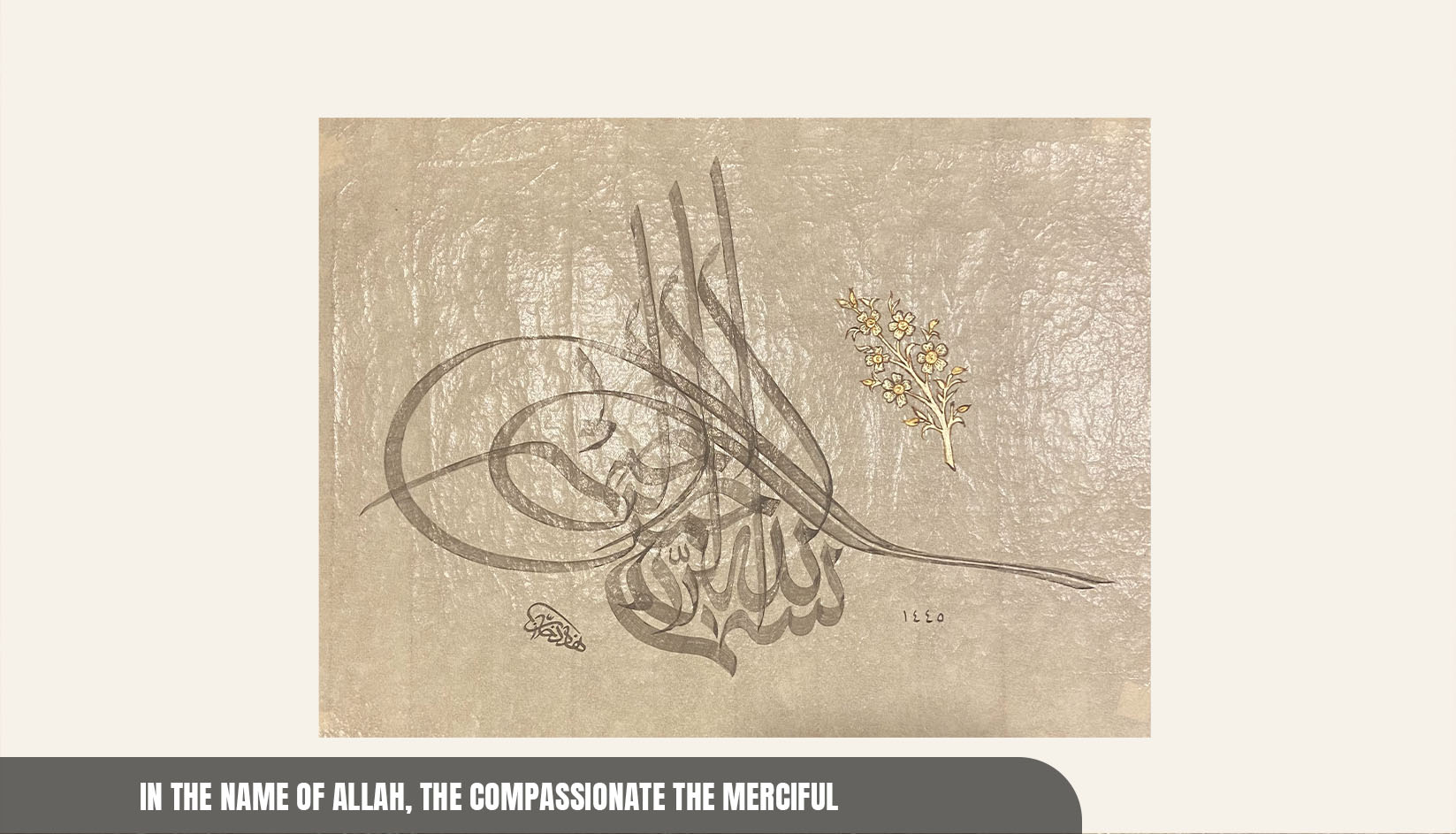
Can Islamic calligraphy be used in modern home decor?
Islamic calligraphy has always been admired for its spiritual depth, artistic balance, and timeless beauty. Traditionally seen in mosques, manuscripts, and historic architecture, it is now experiencing a strong revival in contemporary interiors. With modern homes focusing on minimalism, personalization, and meaningful decor, Islamic calligraphy has found a natural place in today’s design trends. This article explores how Islamic calligraphy can be thoughtfully used in modern home decor, blending faith, art, and modern aesthetics.
The rising trend of meaningful home decor
Modern home decor is shifting away from purely decorative elements toward pieces that tell a story or reflect personal values. Homeowners today want spaces that feel calm, intentional, and emotionally connected. This trend has made room for spiritual and cultural art forms, including Islamic calligraphy.
Rather than being limited to traditional frames and classic layouts, calligraphy is now reimagined using clean lines, neutral palettes, and contemporary materials. Designers and homeowners are embracing Islamic calligraphy as both an artistic statement and a source of inspiration within everyday living spaces.
Understanding Islamic calligraphy as an art form
Islamic calligraphy is not just decorative writing. It is an art rooted in centuries of tradition, discipline, and devotion. Verses from the Quran, names of Allah, and meaningful Arabic phrases are carefully crafted to create harmony between text and form.
What makes Islamic calligraphy especially suitable for modern interiors is its flexibility. It can be bold or subtle, detailed or minimal, colorful or monochrome. This versatility allows it to adapt beautifully to different interior styles without losing its spiritual essence.
How Islamic calligraphy fits into modern interior design
Minimalist interiors
Minimalist homes focus on simplicity, space, and balance. A single piece of Islamic calligraphy artwork can act as a focal point without overwhelming the room. Black Arabic script on a white or neutral background works especially well in minimalist settings, offering visual interest while maintaining calmness.
Choosing a clean calligraphy style and a simple frame allows the artwork to blend naturally with modern furniture and uncluttered spaces.
Contemporary and modern homes
In contemporary interiors, Islamic calligraphy is often paired with abstract backgrounds, metallic finishes, or mixed materials. Canvas prints, acrylic panels, and metal wall art are popular choices. These modern formats give traditional calligraphy a fresh and stylish appearance.
This approach aligns perfectly with the latest trend of mixing cultural heritage with modern design elements.
Scandinavian and neutral themed spaces
Scandinavian interiors emphasize warmth, light, and natural materials. Soft color palettes combined with subtle calligraphy designs can enhance the peaceful atmosphere of these spaces. Wooden frames, beige tones, and soft greys help integrate calligraphy seamlessly into the decor.
Popular ways to use Islamic calligraphy in home decor
Wall art and statement pieces
Wall art remains the most popular way to display Islamic calligraphy. A large artwork in the living room, hallway, or dining area can become a meaningful centerpiece. Popular choices include Ayat al Kursi, Bismillah, or short Quranic verses that promote peace and gratitude.
Positioning is important. Calligraphy should be placed at eye level and in a respectful location that aligns with both design and spiritual considerations.
Bedroom decor for a peaceful environment
In bedrooms, Islamic calligraphy helps create a calming and reflective atmosphere. Verses related to protection, patience, or remembrance are often chosen. Soft colors and gentle calligraphy styles work best in private spaces, supporting relaxation and mindfulness.
Home office and study areas
As remote work becomes more common, people are personalizing their home offices. Islamic calligraphy in a study area can serve as daily inspiration and motivation. Short phrases emphasizing knowledge, intention, or perseverance are ideal for these spaces.
Entryways and hallways
The entrance of a home sets the tone for what lies inside. Placing Islamic calligraphy near the entrance creates a welcoming and spiritually uplifting first impression. Simple designs with elegant typography work best in these transitional spaces.
Choosing the right calligraphy style for modern homes
Not all calligraphy styles suit every interior. Selecting the right style is essential for achieving a modern look.
Classic scripts like Thuluth and Naskh offer elegance and tradition, while Kufic calligraphy, especially modern or geometric Kufic, aligns perfectly with contemporary design trends. Simplified strokes and balanced compositions help the artwork feel current rather than overly traditional.
Artists like Nihad Dukhan are redefining classic and modern Arabic calligraphy by bridging heritage with modern design sensibilities. Through refined compositions and thoughtful presentation, calligraphy becomes accessible to modern audiences without losing authenticity.
Materials and finishes that enhance modern appeal
Modern Islamic calligraphy is no longer limited to paper and ink. Today, artists experiment with various materials to match contemporary interiors.
Popular options include canvas prints for a clean look, metal wall art for an industrial or luxury feel, and acrylic panels for a sleek and polished appearance. Wooden textures add warmth, while gold or silver accents introduce subtle elegance.
Choosing the right material ensures the artwork complements furniture, lighting, and overall color schemes.
Balancing spirituality and aesthetics
One of the most important aspects of using Islamic calligraphy in modern decor is balance. The artwork should feel integrated rather than forced. Avoid overcrowding walls with too many calligraphy pieces. Instead, allow each artwork space to breathe and speak on its own.
This balance reflects both good design principles and the spiritual respect that Islamic calligraphy deserves.
Custom Islamic calligraphy for personal spaces
Customization is a growing trend in home decor. Many homeowners now prefer personalized calligraphy featuring specific verses, names, or phrases that hold personal meaning. Custom pieces allow for control over size, color, style, and material, ensuring a perfect match with the interior.
Custom Islamic calligraphy also makes thoughtful gifts for new homes, weddings, or special occasions.
Why Islamic calligraphy is more relevant than ever
In a fast paced world, people seek calm, purpose, and connection in their living spaces. Islamic calligraphy offers all three. It reminds residents of faith, values, and inner peace while serving as refined art.
As modern decor trends continue to emphasize authenticity and meaning, Islamic calligraphy stands out as a timeless yet contemporary choice.
Frequently asked questions
Can Islamic calligraphy match modern furniture?
Yes. With the right style, color palette, and material, Islamic calligraphy blends seamlessly with modern furniture. Minimalist and geometric designs work especially well.
Is it appropriate to place Quranic verses in living areas?
Yes, as long as the placement is respectful and clean. Many homeowners choose common areas to display verses that inspire positivity and reflection.
Which calligraphy style is best for a modern home?
Modern Kufic and simplified Thuluth styles are popular choices for contemporary interiors due to their clean lines and balanced forms.
Can Islamic calligraphy be used in small spaces?
Absolutely. Smaller framed pieces or subtle designs are perfect for apartments, hallways, and compact rooms without overwhelming the space.
Where can I find modern Islamic calligraphy artwork?
Artists and designers like Nihad Dukhan offer carefully crafted calligraphy that blends classic Arabic art with modern design, making it ideal for contemporary homes.
Final thoughts
So, can Islamic calligraphy be used in modern home decor? Without a doubt, yes. It enhances interiors with beauty, meaning, and cultural depth. When chosen thoughtfully, Islamic calligraphy transforms modern homes into spaces that are not only stylish but also spiritually enriching. As this trend continues to grow, it proves that tradition and modernity can coexist beautifully within the same space.